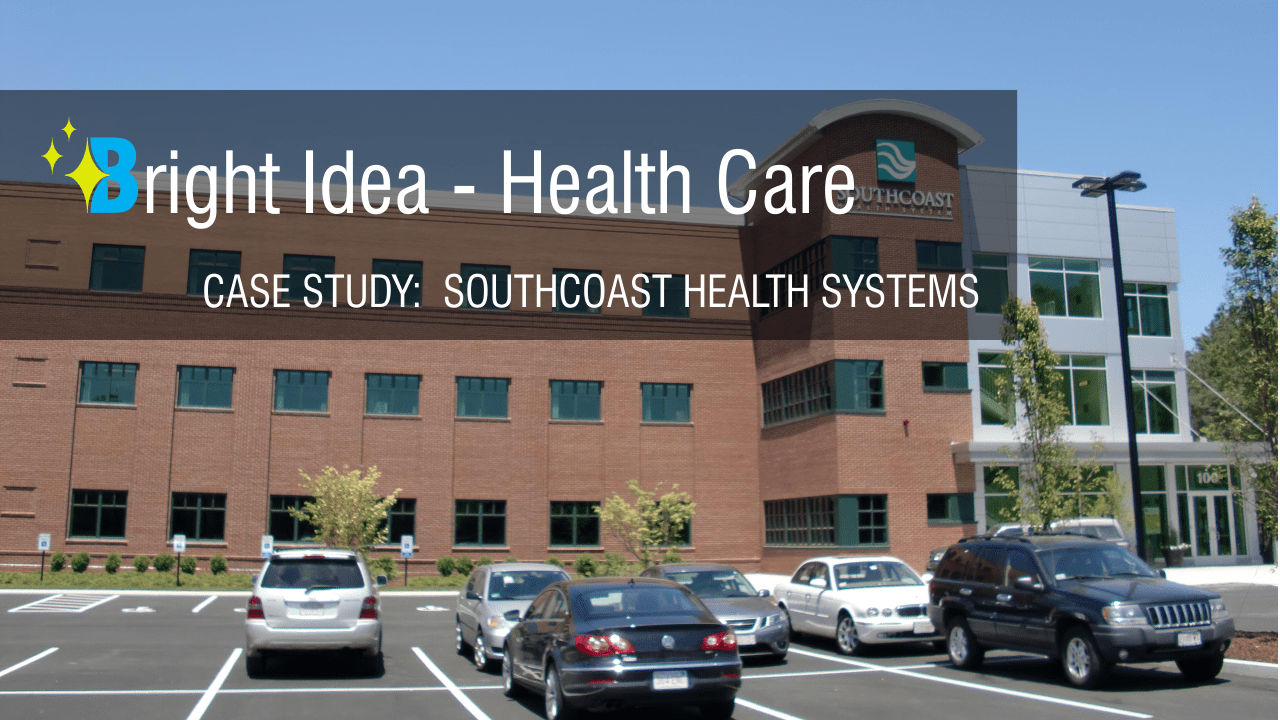
Southcoast Health: A Multi-Prong Approach to Energy Efficiency

As part of an overall energy efficiency program, Southcoast upgraded their lighting inside and outside the hospitals. All properties changed to LED lighting on the outer parts of the hospitals and parking lots. Inside, they upgraded a total of 80 percent of their lighting to one of the most efficient lights possible as well as put in motion sensor for better lighting control.

Read the full report:   http://www.healthierhospitals.org/get-inspired/case-studies/southcoast-health-multi-prong-approach-energy-efficiency
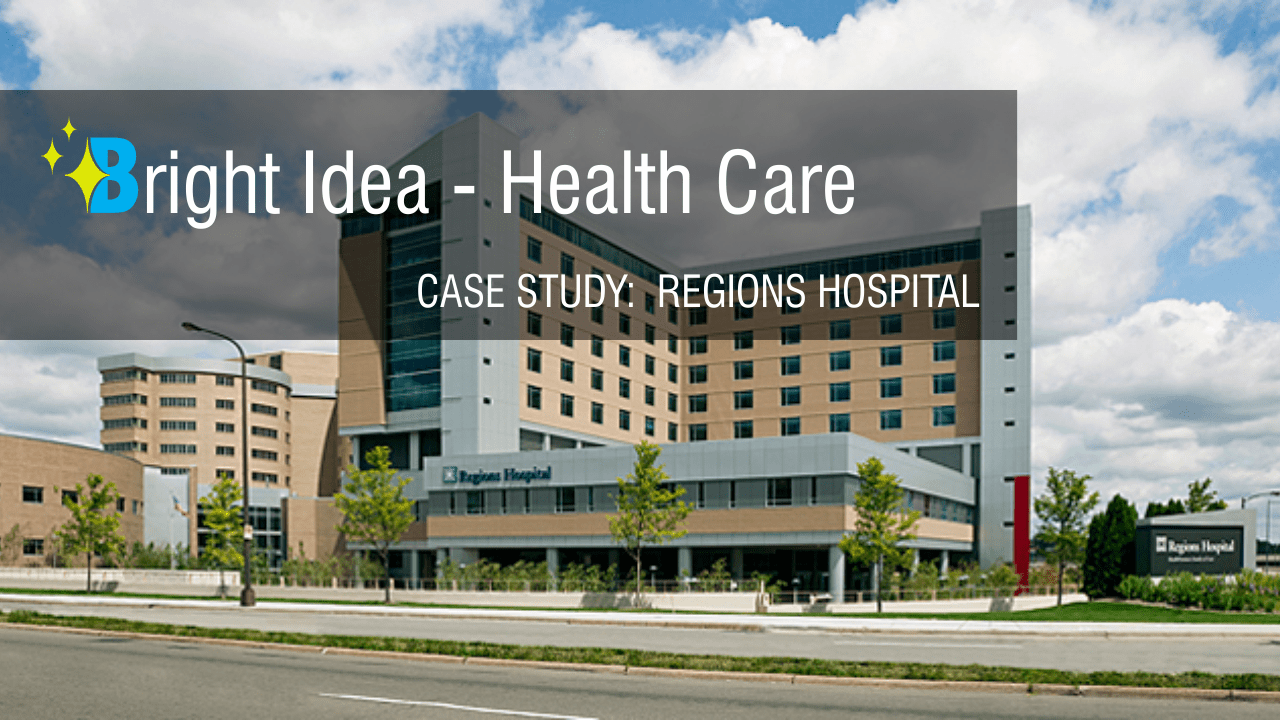
Smart Strategy: Regions Hospital Sustainability Team Slashes $1.17 Million in Energy Costs

Patient care is the focal point of all decisions made at a hospital, so when the maintenance staff at Regions Hospital in St. Paul was looking at operating more efficiently to save energy and money, they kept the patients in mind every step of the way.

Established in 1872, Regions Hospital is a private, non-profit organization, providing health care services in St. Paul and its surrounding communities, as well as for patients who come from throughout Minnesota, western Wisconsin and other Midwestern states.

Read the full report:   https://www.xcelenergy.com/staticfiles/xe/Marketing/Files/MN-Bus-Cooling-Regions-Hospital-Case-Study.pdf

Lighting with LEDs: Area Lights for Commercial Garage

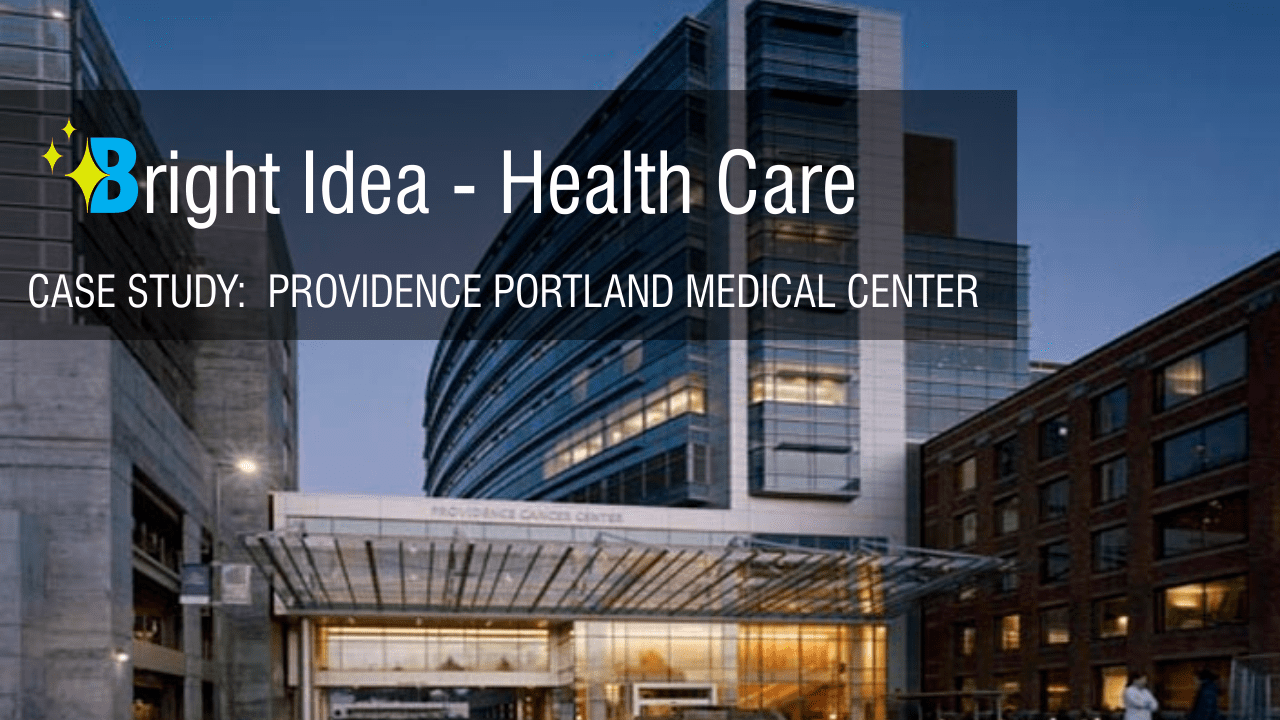
This U.S. Department of Energy GATEWAY Demonstration project studied the applicability of LED luminaires for a commercial parking garage serving a hospital in Portland, Oregon. Participants in the project included the U.S. Department of Energy, Providence Portland Medical Center (PPMC), the Energy Trust of Oregon (ETO), and Lighting Sciences Group (LSG) Inc. Pacific Northwest National Laboratory (PNNL) conducted the measurements and analysis of the results.

Read the full report:   http://apps1.eere.energy.gov/buildings/publications/pdfs/ssl/gateway_ppmc_brief.pdf

Networked Adaptive Exterior LED Lighting Generates Energy Savings of 66% – Wins 2014 Lighting Energy Efficiency in Parking (LEEP) Award

In 2014, NorthBay VacaValley Hospital became one of the first U.S. health care facilities to install an energy-efficient, ultra-smart outdoor LED lighting system. The award-winning project was so successful that the NorthBay Healthcare group is now considering expanding the VacaValley system and retrofitting the outdoor lighting at other sites.

Read the full report:   http://cltc.ucdavis.edu/sites/default/files/files/publication/case-study-adaptive-exterior-lighting-healthcare-vacavalley-hospital.pdf

Hospital System Tackles Energy Efficiency on a Large Scale

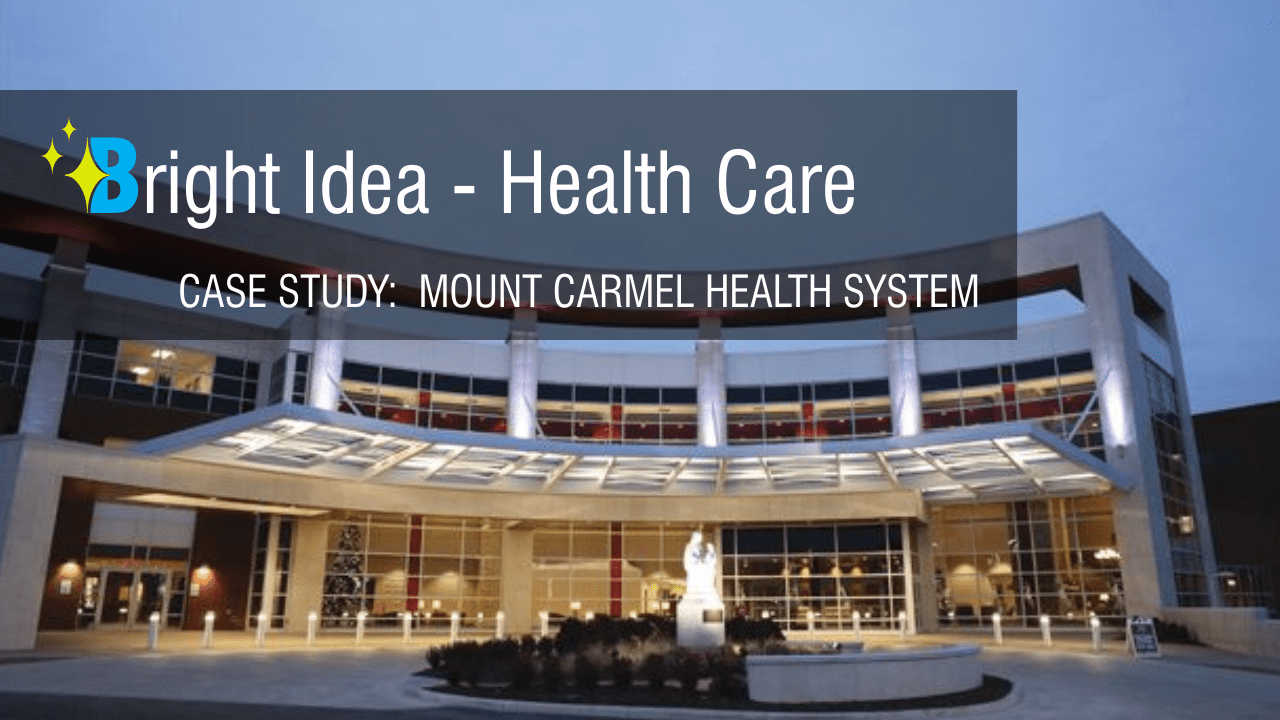
Trinity Health (Mount Carmel’s parent company) was searching for ways to reduce energy consumption across its entire system in an effort to be more environmentally responsible – but also benefit the company’s bottom line.

Mount Carmel earned a total of $202,027.44 in incentives from AEP Ohio and conserved over 2,500,000 kWh of electricity through the SelfDirect Program, an opportunity to retroactively earn incentives for prior energy efficiency projects, and the Prescriptive Program.

Measures implemented included airhandling unit controls, variable speed drives, replacement of thousands of T12 fluorescent lamps with high efficiency T8 lamps, installation of L.E.D. bulbs, replacement of exit signs, removal of a 500-ton chiller and more.

Read the full report:   http://ohiohospitals.org/OHA/media/Images/Membership%20Services/Documents/Mount-Carmel_Case-Study.pdf

Beyond Energy Savings: LED Lighting Improves Visibility, Safety and Accessibility

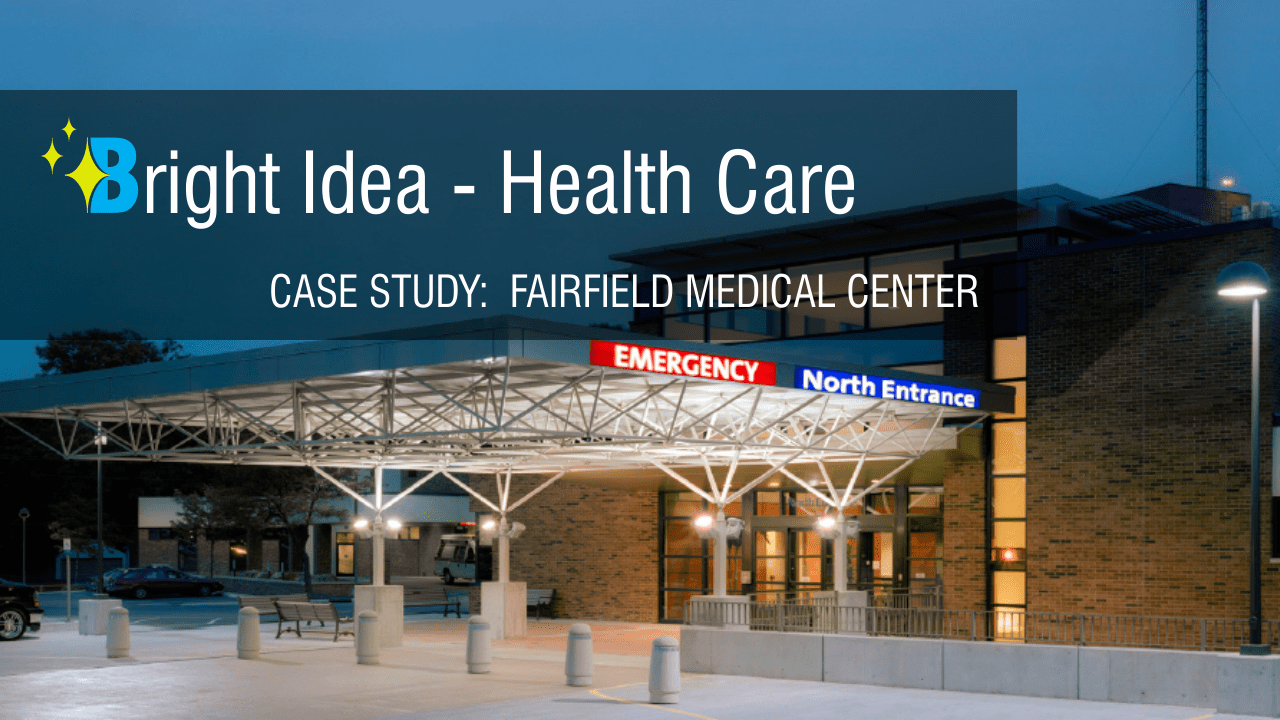
Fairfield invested more than $55,000 in parking lot and garage lighting upgrades, receiving more than $16,600 in incentives in the process – effectively offsetting 30% of the hospital’s capital costs.

For Fairfield’s two engineering professionals, although the installation of LED lighting was an expensive step, “we wanted to be ahead of the game,” Cupp said. By installing LEDs we’re not only saving more energy, but we’re more effectively and aggressively controlling our costs.” Burgess added that by demonstrating to hospital administrators the energy savings produced plus the incentives Fairfield received from AEP Ohio, “it makes it easier for us going forward with additional energy saving ideas.”

Read the full report:   https://www.aepohio.com/global/utilities/lib/docs/save/business/programs/SuccessStories/FairfieldMedical_CaseStudy9-2014.pdf

Cleveland Clinic Goes LED in Parking Garages

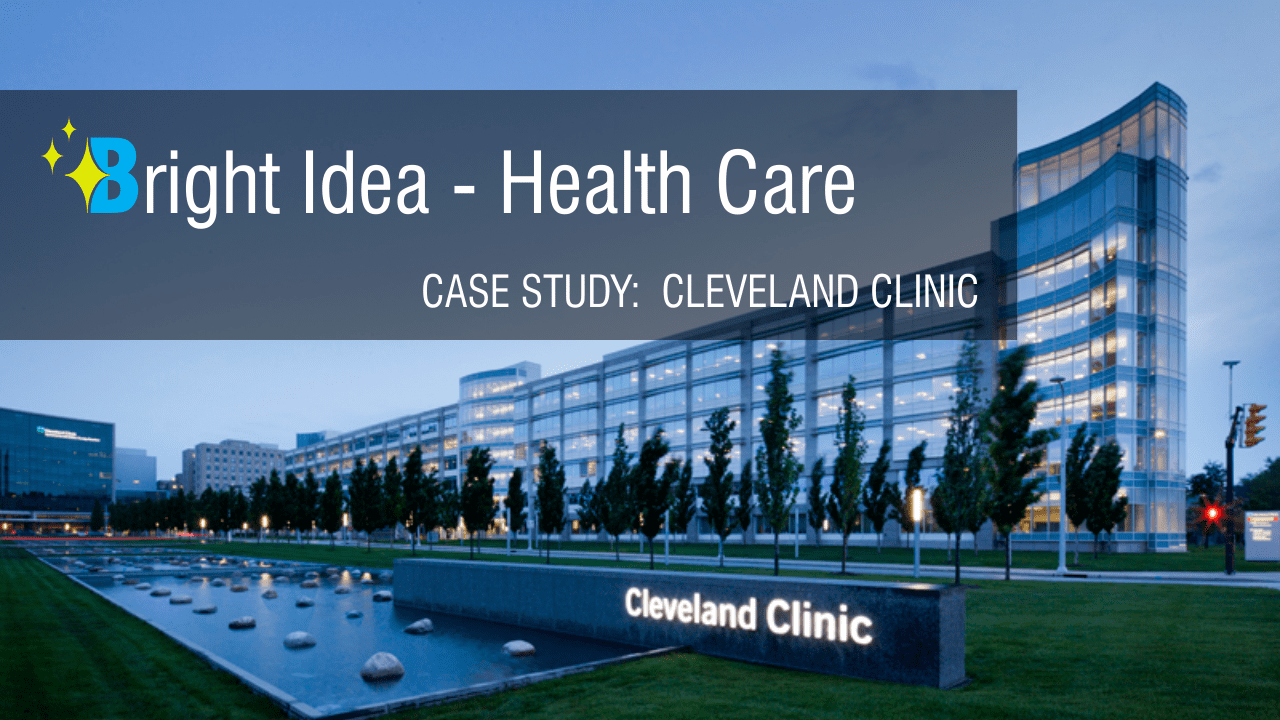
Cleveland Clinic is a nonprofit, multispecialty academic medical center that integrates clinical and hospital care with research and education. It was founded in 1921 in Cleveland, Ohio, and today has over 1,400 beds at its main campus and 4,400 beds system-wide; making it one of the largest hospitals in the United States. Cleveland Clinic has been exploring energy efficient alternatives for many years.

In 2009, Cleveland Clinic joined the Hospital Energy Alliance (HEA) formed by the U.S. Department of Energy (DOE) under its Commercial Building Energy Alliance (CBEA). The CBEA brings together similar types of end users to exchange information and leverage buying capacity to help expedite market adoption of energy-efficient technologies and design practices. One activity undertaken was the develop

Read the full report:   http://apps1.eere.energy.gov/buildings/publications/pdfs/alliances/cleveland_clinic_case_study.pdf

LED Technology Slashes Electricity Use

As part of ongoing activities for Beaumont Health System that include Facility Management and Energy and Sustainability Services (ESS), Jones Lang LaSalle has been asked to keep the hospital apprised of prospective new sustainable technologies as they emerge. As part of that process, we had learned about a breakthrough Heat Spreader™ technology used by the Future Energy Group LLC to limit the junction box temperature far below previous “normal” levels, allowing for the modules to run at only one degree C above ambient temperature. Keeping circuit boards cooler enables 100,000+ hour fixture life and increased efficiency – which translates into higher output – enabling lower wattage output to be used in many commercial applications.
Read the full report:   http://www.leepcampaign.org/uploads/7/4/8/7/7487823/jll_article_6_led_tech.pdf

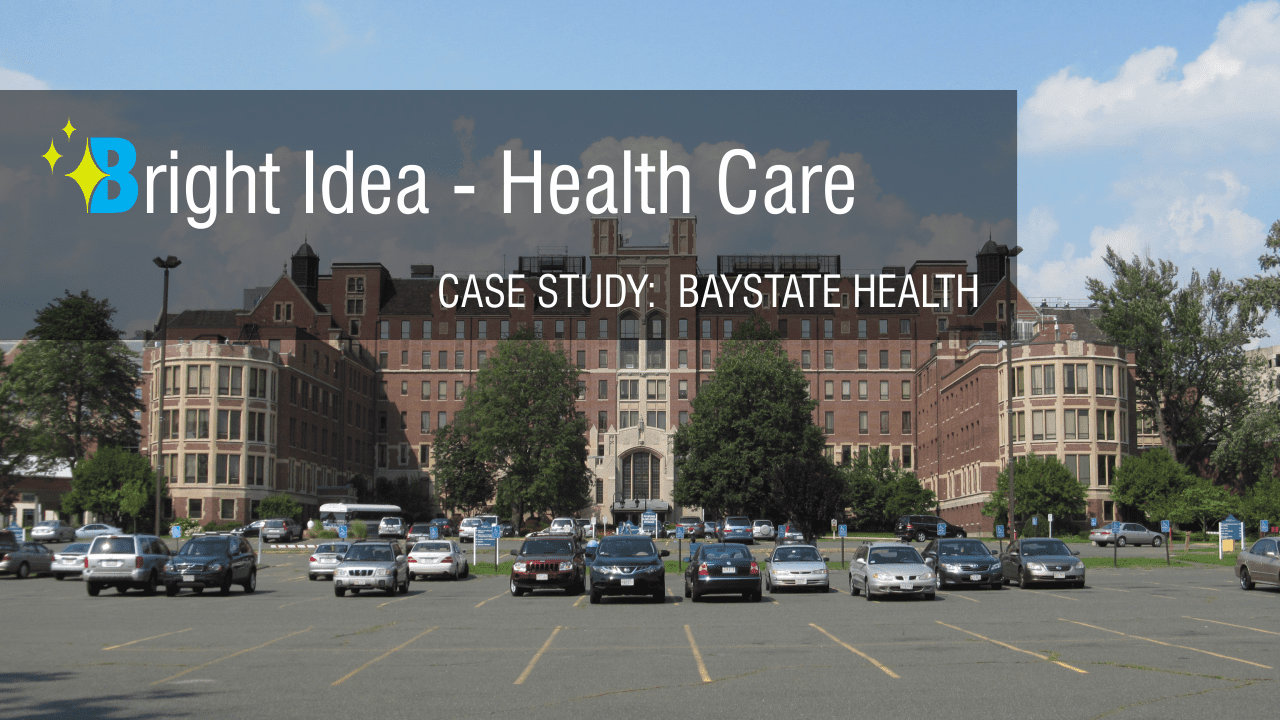
Case Study: Baystate Health

Baystate Health’s (Baystate) ambition is for the health system to become the leader in helping create the most energy efficient, safe and effectively managed buildings in the health care industry.
Baystate performed initial benchmarking and saw numerous opportunities to improve including redoing controls, replacing boilers and pumps, retrocommissioning, lighting upgrades, and mechanical upgrades. For example, in the Operating Rooms (OR), they worked to improve the quality of air and partnered with the OR staff to show them the importance of this initiative. Not only were they able to improve communications between Facilities and Operating Room staff, but reduce the amount of energy spent as well.

Read the full report:   http://www.healthierhospitals.org/sites/default/files/IMCE/baystate_health.pdf

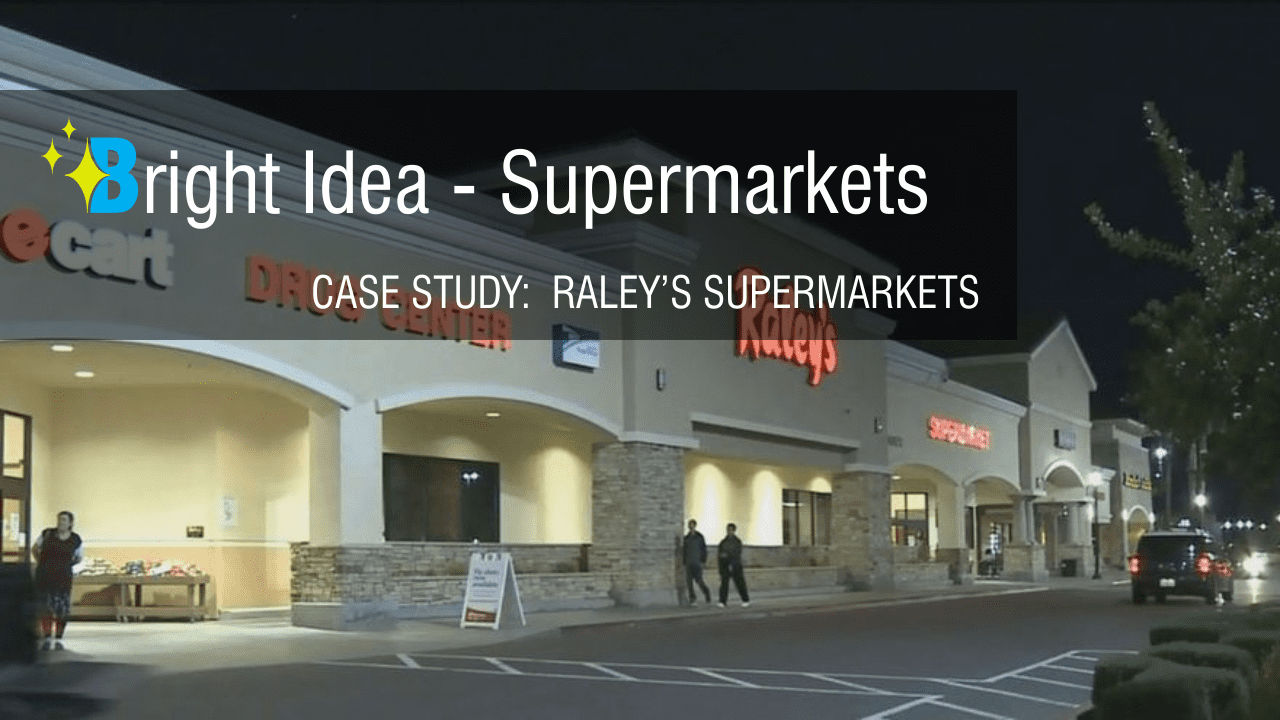
West Sacramento grocer lowers energy costs by 70% with bi-level LEDs

This report summarizes an assessment project conducted to evaluate light-emitting diode (LED) luminaires with bi-level operation in an outdoor parking lot application. The project replaced metal halide (MH) fixtures of nominal 320 watts2 with bi-level LED luminaires from BetaLED equipped with motion sensors. Quantitative light and electrical power measurements were taken to compare base case MH performance with that of the LED replacement luminaires. Economic performance of the LED luminaires as compared to MH was also estimated and qualitative satisfaction with the LEDs was gauged with a customer survey.

The facility selected for this demonstration is a Raley’s Supermarket parking lot containing 16 polemounted 320-watt MH dropped-lens ‘cobrahead’-style luminaires. The demonstration area is approximately one-half of the parking lot. Within the parking aisles are four poles, each with two Type V distribution fixtures. The easternmost poles in the demonstration area each included one flood light directed east toward the store front, in addition to the twin-mount Type V luminaires3. The area east of these poles was not included in the illuminance performance evaluation, due to influence by the flood lights.

Read the full report:   https://www1.eere.energy.gov/buildings/publications/pdfs/ssl/gateway_raleys.pdf