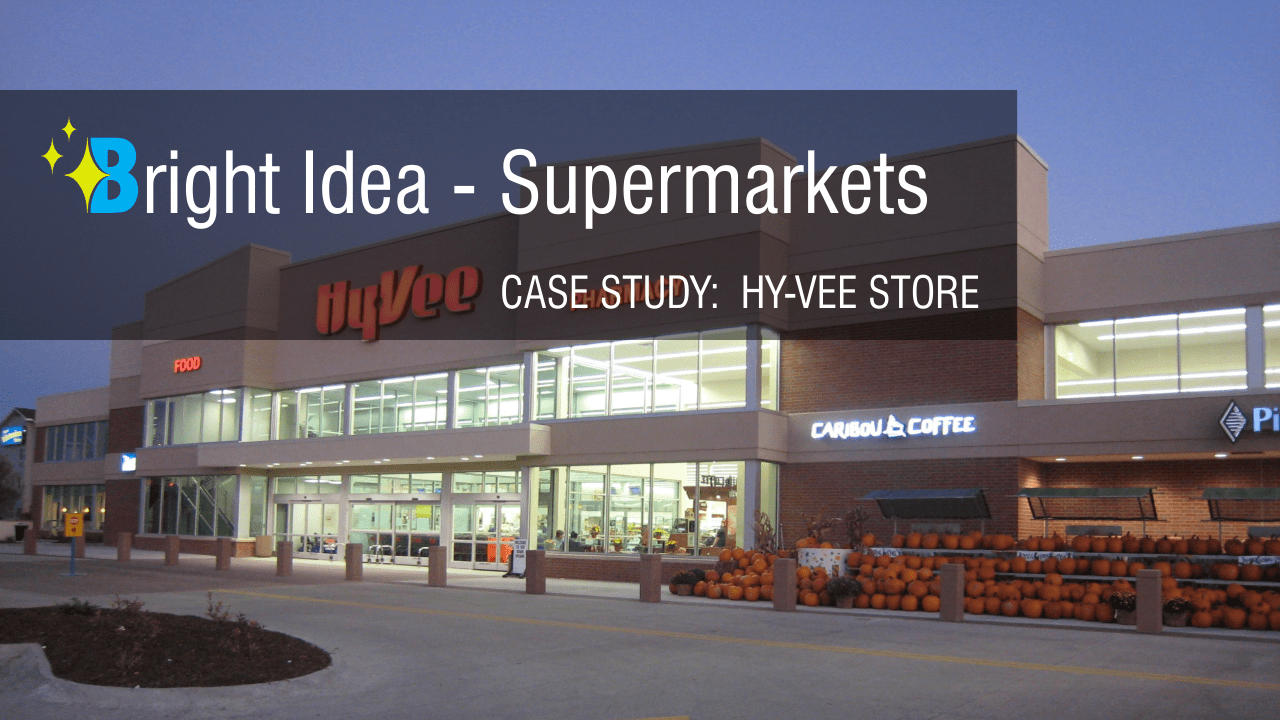
Detailed Report: Supermarket Saves 69% by Converting Metal Halide Lights to LED

This is a case study for Cedar Rapids Hy-Vee store (4035 Mount Vernon Road Southeast, Cedar Rapids, Iowa) parking lot lighting and Health Foods area retrofit demonstration project. Sponsored by Alliant Energy, the parking lot underwent a lighting retrofit from the existing 1000 watt Metal Halide (MH) lighting to 309 watt Light-Emitting Diode (LED) lighting technology in October 2010. Also upgraded was the Health Foods area supplemental shelf lighting from the PAR38 90 watt halogen light bulb to the 16 watt PAR38 LED light bulb. The comparison of design and actual light levels, power consumption, and energy savings are made in this report. Discussions on “before” and “after” values and comparisons to lighting guidelines from IESNA, ASHRAE and Hy-Vee internal requirements are presented.

The key conclusion of this study is that LED lighting can provide up to 69% energy savings when compared to metal halide lighting while maintaining similar average light levels when used for exterior parking lot lighting. The LED lighting also has the benefit of distributing a more uniform light in the parking lot, making it a good choice when security is a concern or high priority. When the LED lights serve as interior display lights, they highlight certain areas well because of their directional property. Proper design of the heights, locations and orientations of LED display/track lights is essential to take advantage of this directional property. The greatest benefit LED lighting provides to retail stores is the longer lamp life compared to halogen lamps which leads to lower maintenance and replacement costs. With the trend of lowering cost and higher efficiency, LED is an excellent lighting source for various exterior and interior applications.

Read the full report:   http://www.leepcampaign.org/uploads/7/4/8/7/7487823/hy-vee-report-20110107.pdf
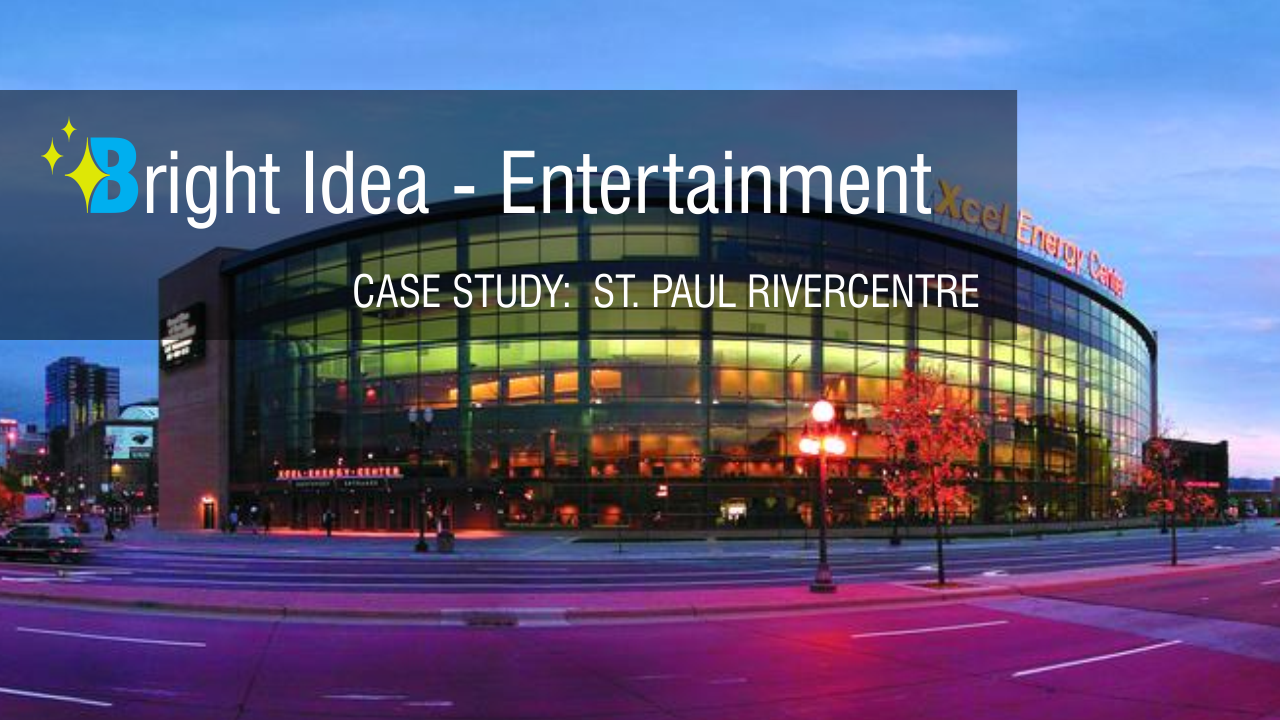
LED Lighting Upgrades Deliver Big Savings for the St. Paul RiverCentre and Xcel Energy Center Arena

The St. Paul RiverCentre and Xcel Energy Center Arena are always bustling with activity. The RiverCentre is a state-of-the-art convention center—while the Xcel Energy Center Arena, owned by the City of St. Paul, hosts an array of premier entertainment and sporting events. Both facilities strive to create the best experiences for their guests, which includes providing a setting that follows a model of sustainable and efficient practices. Among the many energy-saving improvements they’ve made over the years, a recent project which focused on LED (light-emitting diode) lighting upgrades is proving to be another big win.

Read the full report:   https://www.xcelenergy.com/staticfiles/xe/Marketing/Files/Case-Study-St-Paul-RiverCentre-Lighting.pdf

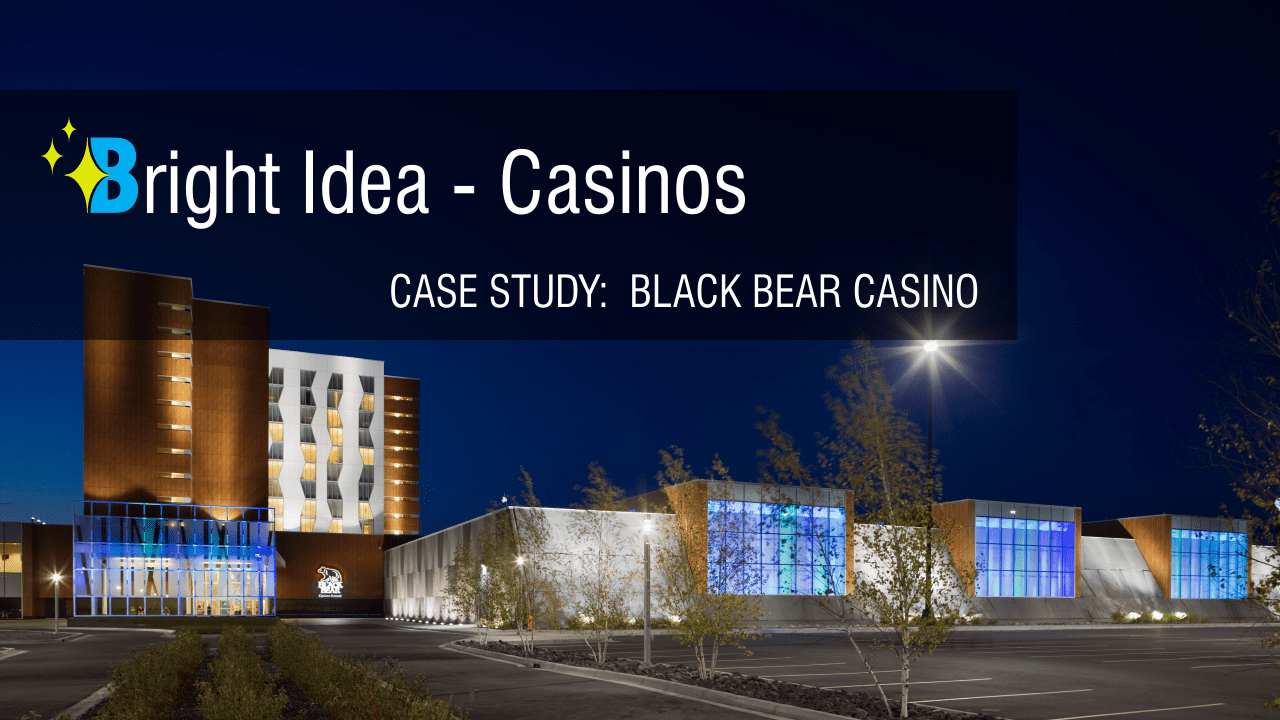
Black Bear Casino Hits Jackpot with LED Lighting

Bruno Zagar is the environmental specialist and energy project manager at Black Bear Casino Resort, owned and operated by the Fond du Lac Band of Lake Superior Chippewa. When Bruno started working on increasing energy efficiency, he began with energy efficiency audits in order to see what could be done to reduce energy consumption. Lighting retrofits were one of the first selected projects because LED conversion provides the most ‘bang for your buck’

Read the full report:   http://tribalp2.org/media/2-LED1.pdf

University of Minnesota Exceeds Expectations, Achieves 90% Energy Savings with LED Parking Garage Lighting Conversion

One of the nation’s largest schools serving over 60,000 students, the University of Minnesota (U of M) is upgrading the lighting at all 18 parking ramps and garages on its Minneapolis campus. In the Northrop Auditorium Garage, a small 24,000 square foot facility with 75 parking spots, U of M replaced low-wattage high-pressure sodium fixtures with high efficiency, lower wattage LED fixtures with lighting controls. This Lighting Energy Efficiency in Parking (LEEP) Campaign Award winning project achieved 90% energy savings by upgrading to LEDs with lighting controls.

Read the full report here.

Case Study: UC San Francisco Adaptive Parking Lot Lighting

In 2012, UC San Francisco launched a pilot demonstration of energy-efficient lighting on the top level of its two-tier parking garage at 2340 Post Street. That level of the parking structure had lacked lighting for some time, but a sharp increase in use prompted some calls expressing safety concerns. More light was clearly needed, but the project team had to be careful not to disturb residents of the apartment building next door.

Dimmable, full-cutoff LED light fixtures were paired with motion sensors and incorporated into a wireless lighting control system to give the campus a smart, simple way to monitor and manage lighting energy use for the area. The six fixtures now serve as the basis of a network that parking enforcement can access via Web interface to adjust scheduling and tuning.

Read the full report here.

Campus-Wide Networked Adaptive LED Lighting System Saves UC Davis $120,000 Annually

In order to reduce energy consumption and the state’s carbon footprint, the California Public Utilities Commission (CPUC) has called for a 60–80% reduction in lighting energy consumption by 2020. Answering this call, UC Davis established the Smart Lighting Initiative (SLI), an effort to reduce campus-wide lighting electricity consumption at least 60% below 2007 levels. The first phase of this program included a large-scale deployment of over 1,500 network-controlled LED streetlights, area lights, post-tops, and wall packs. The “ultra-smart” lighting installation has reduced annual energy use by an estimated 1,231,758kWh, saving $120,909 annually in energy and maintenance costs.

Read the full report:  http://partnershipdemonstrations.org/downloads/Campus-Wide-Networked-Adaptive-LED-Lighting_final_%20-06-2014.pdf

School District Benefits From Energy Efficient LED Upgrades in Schools Across the District

The Sumner School District, located between Tacoma and Mount Rainier, has been upgrading their facilities to be more energy efficient. Since 2009, Jay Donnaway of Sound Environmental Consulting has been employed as a Resource Conservation Manager (RCM) by the district plus a few other public entities. To lower the cost of frequent lamp replacement in the parking lot lighting, and also to save energy, Donnaway chose LED lighting to replace the existing metal halide (MH) lighting.

Read the full report:   http://www.bpa.gov/EE/Sectors/Commercial/Documents/sumnerschooldist_short_casestudy.pdf

Princeton University Lighting Program Embraces LEDs

One of America’s most prestigious universities is in the middle of an ambitious LED replacement program – more than 100,000 fixtures.  Princeton University is implementing many different energy-mitigation projects on campus, and lighting was determined to be a strategy with one of the best overall paybacks. The university’s Energy Group is funding the program, which represents the first significant lighting upgrade at Princeton in more than 20 years.

Read the full article:   http://www.facilitiesnet.com/lighting/article/Princeton-University-Lighting-Program-Embraces-LEDs–16610

School District Seizes Opportunity to Save Energy and Money

Eastern Local Schools saw an opportunity to become more energy efficient in the building that houses everyone – students, teachers, staff, school board – in the Pike County district. And it seized this opportunity with the help of Ohio’s Energy Conservation Program (commonly referred to as Ohio House Bill 264) and AEP Ohio’s Prescriptive Program, which offers incentives for energy savings.

Built in 1998, the school district replaced some of its outdated lighting, added lighting and HVAC sensors and put in variable frequency HVAC drives that are netting them an estimated $3,000 per month in electric bill savings. And that is in addition to the nearly $50,000 in incentives offered from AEP Ohio.

Read the full report:   https://aepohio.com/global/utilities/lib/docs/save/business/programs/SuccessStories/EasternLocalSchools.pdf

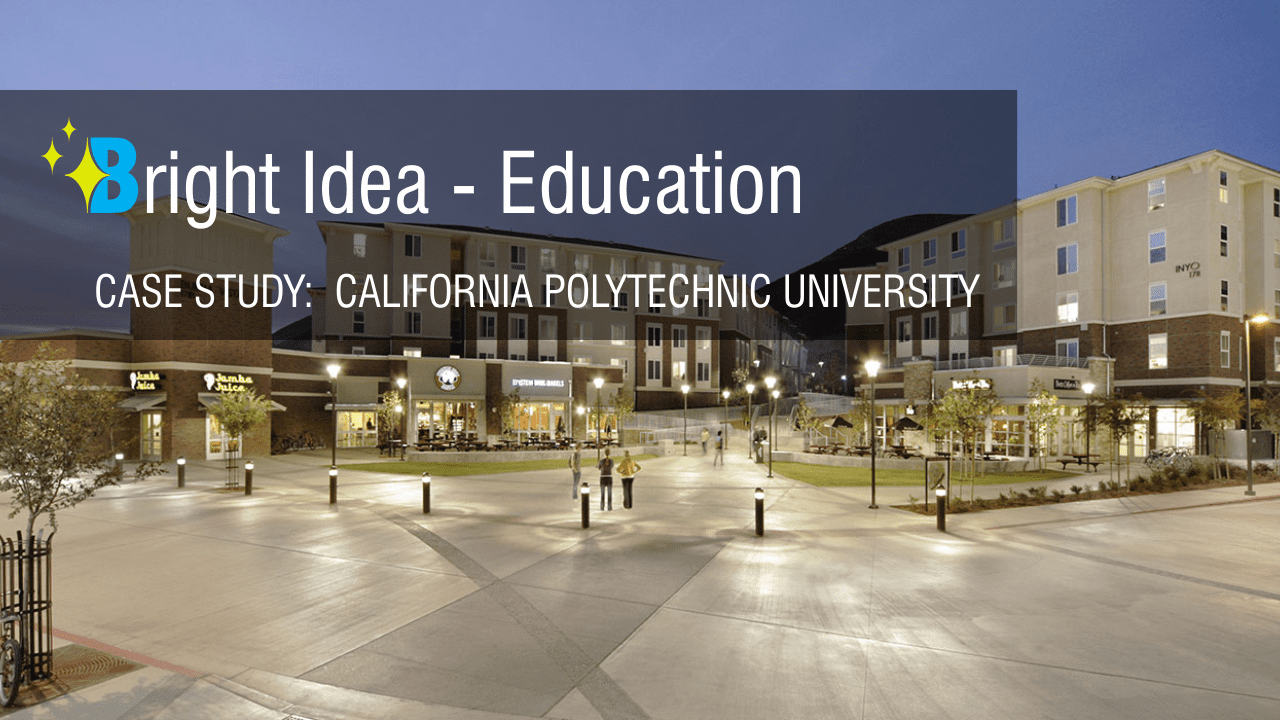
University LED Retrofit Yields 74% Energy Reduction for Parking Lot Lighting

Bi-level induction cobra head and bi-level LED streetlights were installed at two locations on the Cal Poly campus. The bi-level induction cobra head luminaires (110W system, high mode) replaced HPS cobra head luminaires (280W system) in the H4 Facility Management parking lot. Bi-level LED luminaires (118W system, high mode) replaced HPS shoebox-style street lights (128W system) along Cerro Vista Circle, a one-way street leading through campus housing units. Both products were installed as one-for-one replacements for existing luminaires using existing poles and pole spacings. These retrofit demonstrations resulted in annual energy savings of 74% in the parking lot application and 32% for the streetlight application.

Read the full report here.