Case Study: Milliken Ford

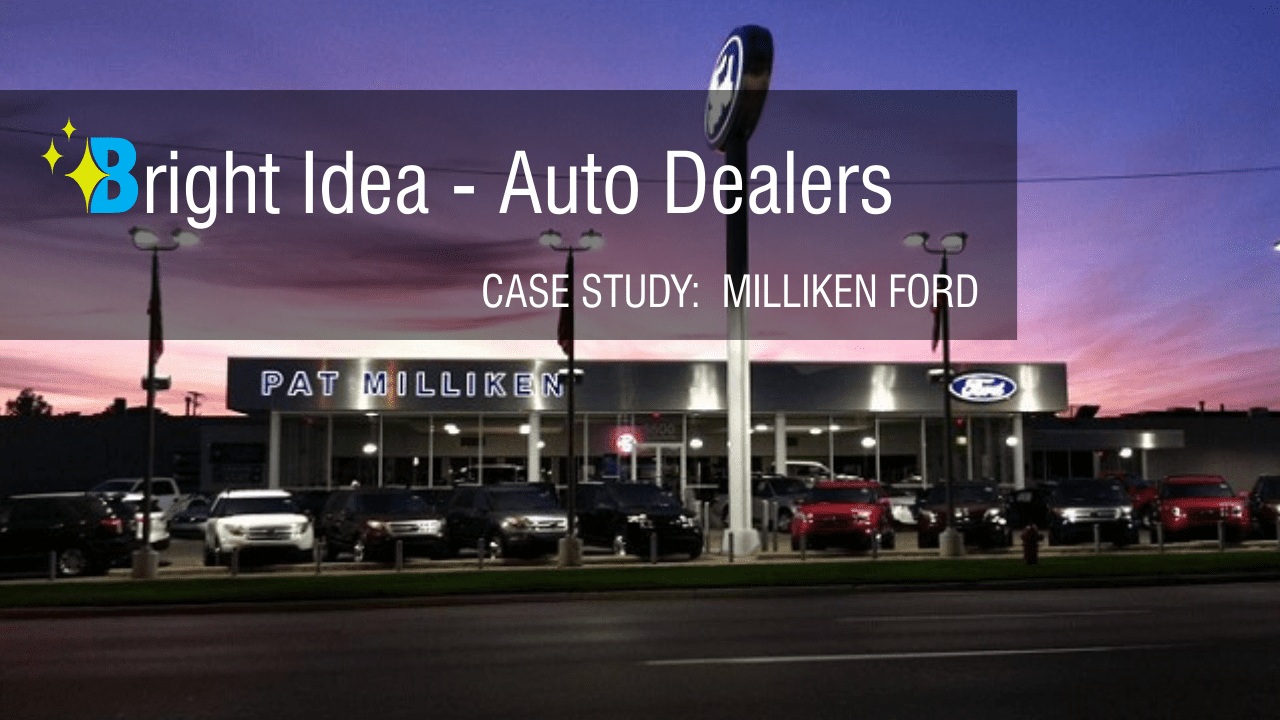
In September of 2009, Pat Milliken Ford, a family-owned and operated car dealership in Redford, Mich., launched an ambitious effort to renovate the dealership’s showroom. The project was undertaken for several reasons. They wanted to modernize their showroom and increase the level of comfort for their customers. They also realized that they could increase their competitiveness and reduce costs by increasing their energy efficiency.

Read the full report:   https://www2.dteenergy.com/wps/wcm/connect/92164f67-61cf-40c2-b081-90dac4cdbaa4/millikenCaseStudy.pdf?MOD=AJPERES

Grocer Brightens Store, Keeps It’s Cool and Reduces Energy Waste

Brighter dairy cases, greater comfort for customers, lower electricity usage, better store lighting and reduced maintenance needs are the many benefits resulting from three projects recently completed by the Carnival Foods store in Lancaster, Ohio with the help of AEP Ohio’s business incentives for energy efficiency.

Read the full report:   https://aepohio.com/global/utilities/lib/docs/save/business/programs/SuccessStories/CarnivalFoods.pdf

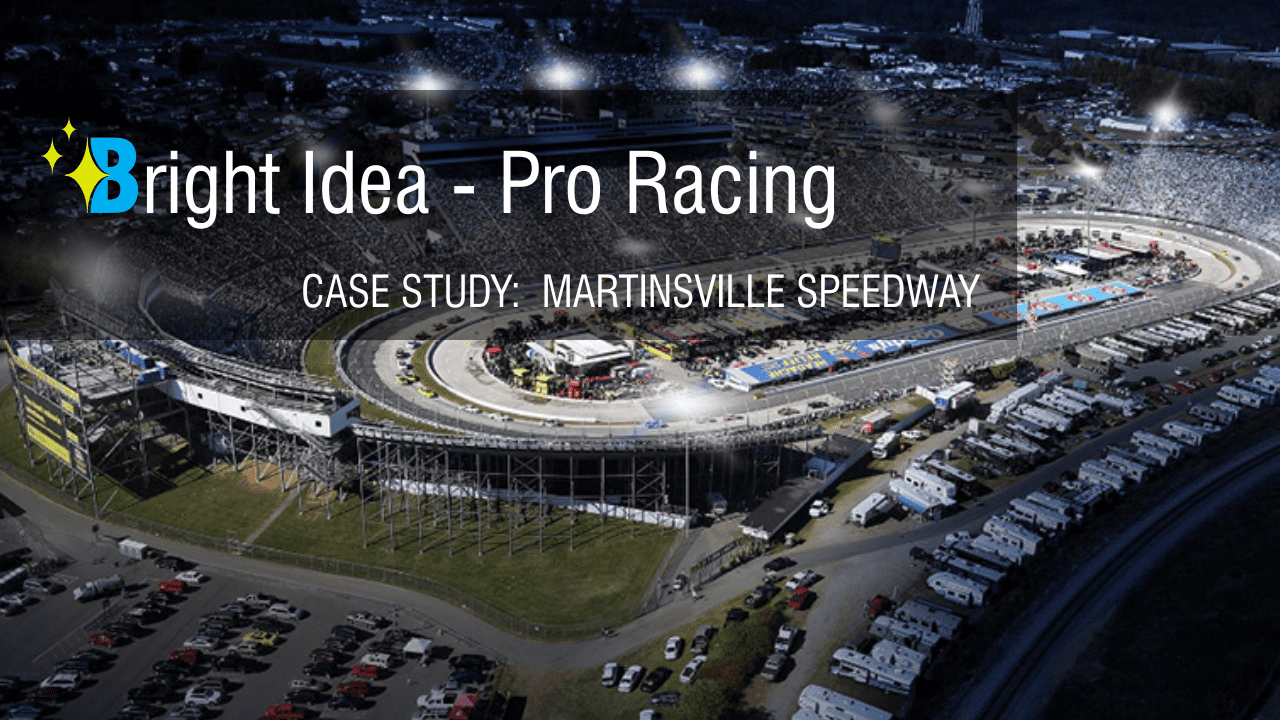
Martinsville Speedway Announces Addition of LED Lights

MARTINSVILLE, Va. — Martinsville Speedway track president Clay Campbell remembers the tipping point well. Watching from outside Turn 4 as Jeff Gordon led the final laps of last November’s rain-delayed NASCAR Sprint Cup Series playoff race practically by candlelight, Campbell knew big changes were needed.

“It looked like a rock concert with people taking pictures with their phones and the (auxiliary) lights in the grandstand,” Campbell said. “I knew then that being in the Chase, such a critical point in the season, and thinking what would’ve happened if we hadn’t finished that race? We don’t want to be in that position, so there’s our reason.”

Read the full report here.

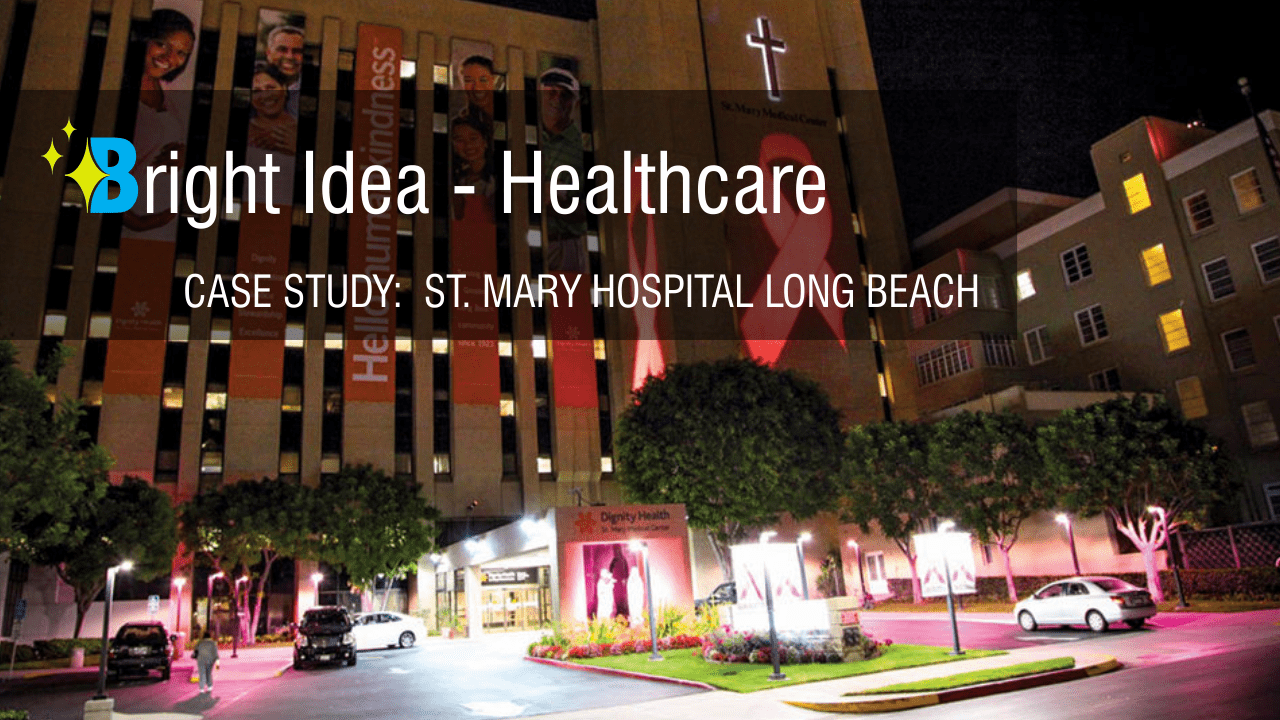
California Hospital Paves Way for System Wide LED Exterior Lighting Upgrade

The core mission of a health care facility related to patient health, safety and comfort is always a higher priority than improving the building’s exterior lighting system.

But when employees and visitors started fearing for their safety when approaching and leaving St. Mary Medical Center in Long Beach, Calif., because the lighting around the hospital was insufficient, the owners of the facility, Dignity Health, recognized the problem.

“Many employees and visitors who arrived in the evening complained about burned-out lights and dark areas,” says Joe Garibay, the St. Mary engineering manager, who adds that outdoor lighting at hospitals is a nationwide issue. “A lot of (engineering managers) say it’s budget. They don’t have the money to replace the systems, but they really need them badly.”

Dignity Health owns 38 hospitals in California, Arizona and Nevada. Many of the facilities are similar to St. Mary — older, urban hospitals featuring outdoor lighting systems that date back to the 1990s and sorely need upgrades to improve energy efficiency and security.

Read the full article here.

US Department of Energy (DOE) Study Shows LED Lighting Significant Part of ‘Whole Building’ Savings

Whole Foods Market is working with the National Renewable Energy Laboratory (NREL) on a retrofit and a new construction CBP project. This case study is a snapshot of the progress to date of the Whole Foods Market CBP new construction project in Raleigh, North Carolina. It describes the successes and challenges of working collaboratively and using strategies and technologies that meet Whole Foods Market’s business criteria to dramatically reduce energy consumption. The new Raleigh store is currently under construction, and is expected to be completed in the spring of 2011.
This case study demonstrates the value of the project to Whole Foods Market, the degree to which the involvement of members of NREL’s Commercial Buildings Research Group helped stretch the team’s thinking about how to reduce energy consumption, and the lessons learned that are useful to the broader food sales industry. These lessons will be shared among members of the Commercial Building Energy Alliances (DOE 2010a) as well as with other interested commercial building professionals.

Read the full report here.

Energy-Efficient Hospital Lighting Strategies Pay Off Quickly

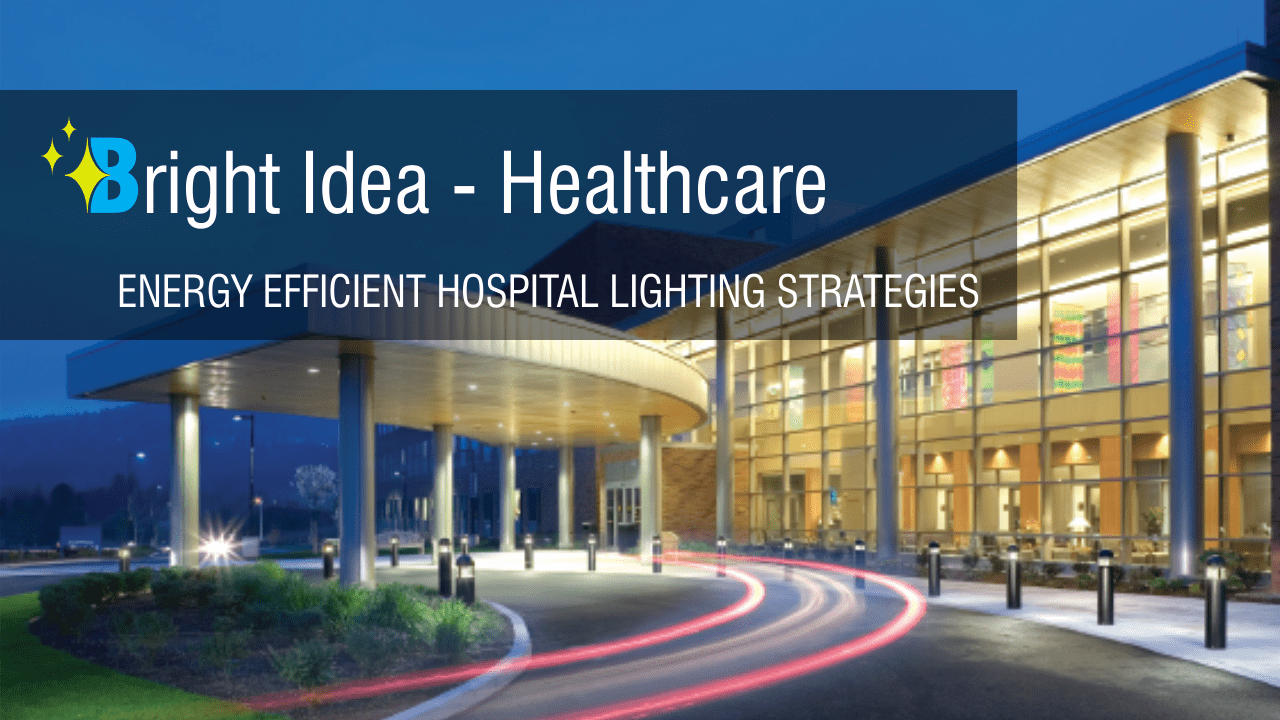
Lighting is a significant component of hospital energy use, representing more than 10 percent of energy consumption. Further, lighting boosts the demand for cooling because every watt of electricity used for lighting generates heat. Energy-efficient lighting strategies, whether used in new construction or in retrofits of existing facilities, yield major savings and have a short payback period.

Read the full report:  http://apps1.eere.energy.gov/buildings/publications/pdfs/alliances/hea_lighting_fs.pdf