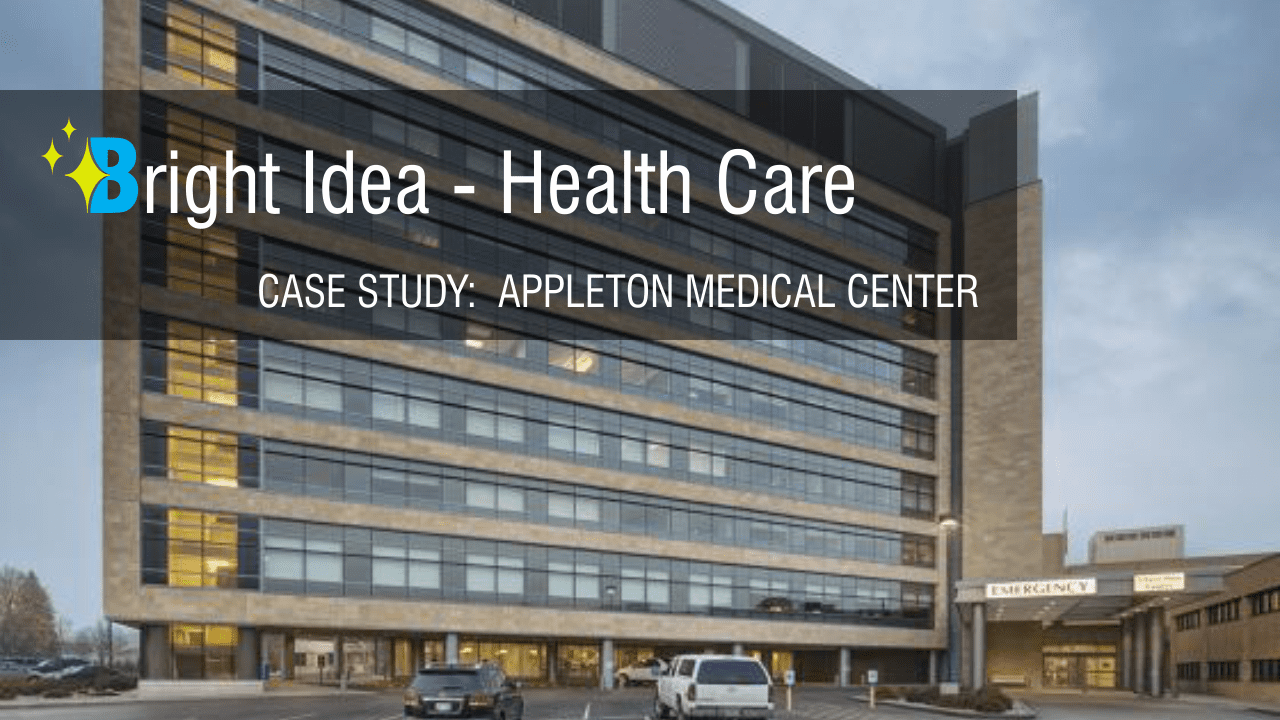
Case Study: Medical Center Parking Structure

With 7 hospitals and 22 physician locations serving more than 9 Wisconsin counties, ThedaCare has ample room to implement and reap the benefits of building efficiency measures. At the Appleton Medical Center, ThedaCare’s Lighting Energy Efficiency in Parking (LEEP) Campaign Award winning project involved replacing inefficient medium-wattage HID lighting fixtures at a 126,000 square foot parking structure with high efficiency low-wattage LED fixtures. The resulting energy savings exceed 80 percent of the previous usage. A 100-year old company and the third largest health care employer in Wisconsin, ThedaCare has now implemented LED exterior lighting throughout Appleton Medical Center.

Read the full report here.

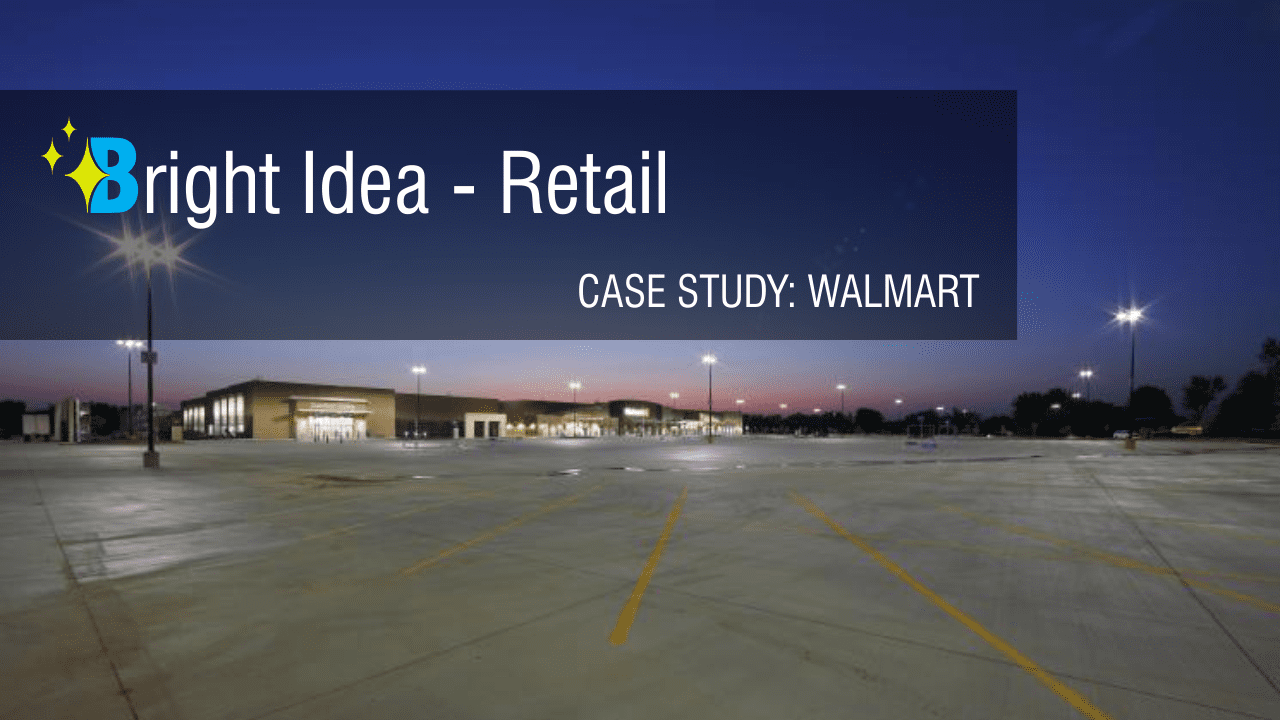
Walmart saves over 40% compared to traditional pulse-start metal halides

This report documents the first full parking lot installation of light-emitting diode (LED) products for Walmart, which was done at a Walmart Supercenter in Leavenworth, Kansas. For years, Walmart has explored alternatives to conventional (metal halide [MH] or high-pressure sodium) lighting technologies in its parking lots as a way to save energy, improve the environmental aspects of operation, and potentially reduce maintenance costs. However, the company has approached LED luminaires cautiously pending additional research and analysis.

In 2008, the U.S. Department of Energy (DOE) formed the Retailer Energy Alliance (REA), which brings together similar types of end users to exchange information and leverage buying capacity in order to help expedite market adoption of energy efficient technologies and design practices.1 The REA encompasses several different building system subcommittees (e.g., electrical, mechanical, renewable power). A working group was formed as part of the Lighting & Electrical Subcommittee, of which Walmart is an active participant, to develop an LED parking lot specification. Version 1.2 of the LED parking lot specification was completed in June 2009 and was subsequently expanded to encompass other energy alliances across the broader Commercial Building Energy Alliance (CBEA) (EERE 2011).

With this milestone completed, Walmart agreed to install LEDs across an entire site and in the process “test drive” the CBEA specification

Read the full report:   https://www1.eere.energy.gov/buildings/publications/pdfs/ssl/gateway_walmart.pdf
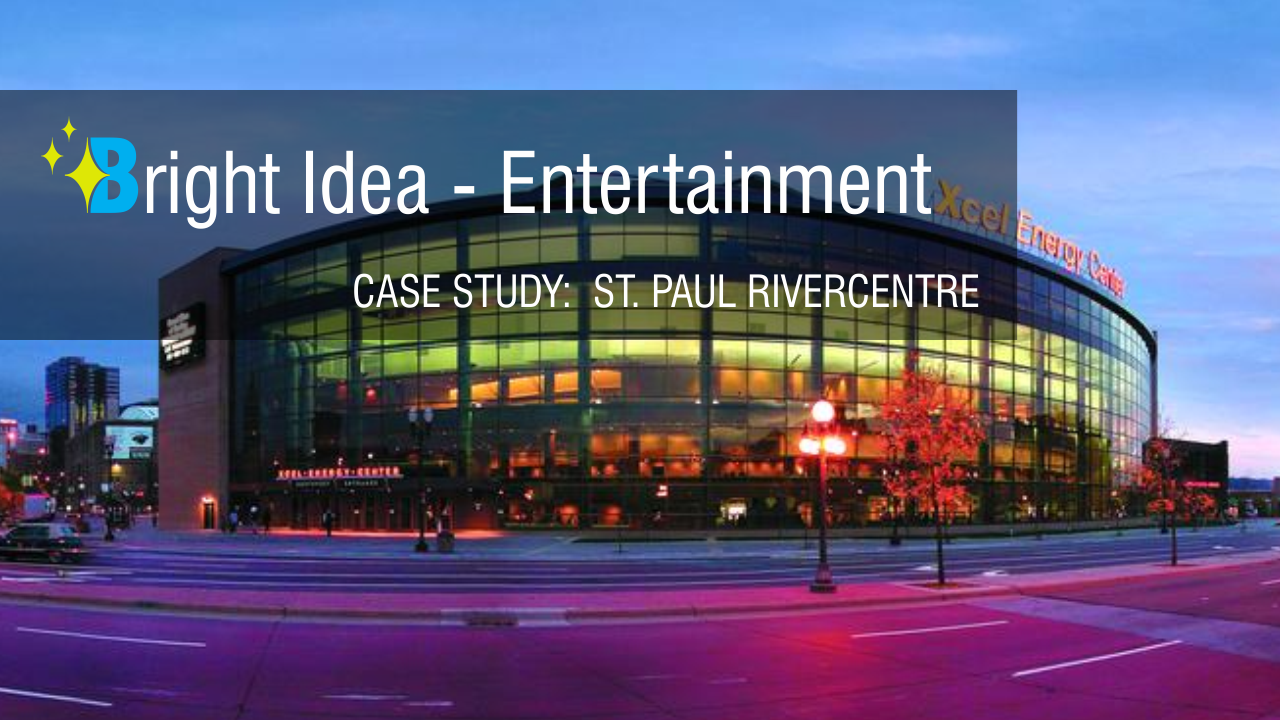
LED Lighting Upgrades Deliver Big Savings for the St. Paul RiverCentre and Xcel Energy Center Arena

The St. Paul RiverCentre and Xcel Energy Center Arena are always bustling with activity. The RiverCentre is a state-of-the-art convention center—while the Xcel Energy Center Arena, owned by the City of St. Paul, hosts an array of premier entertainment and sporting events. Both facilities strive to create the best experiences for their guests, which includes providing a setting that follows a model of sustainable and efficient practices. Among the many energy-saving improvements they’ve made over the years, a recent project which focused on LED (light-emitting diode) lighting upgrades is proving to be another big win.

Read the full report:   https://www.xcelenergy.com/staticfiles/xe/Marketing/Files/Case-Study-St-Paul-RiverCentre-Lighting.pdf

Shading and Lighting Retrofits Slash Energy Use in New York “Living Lab” Office Demonstration

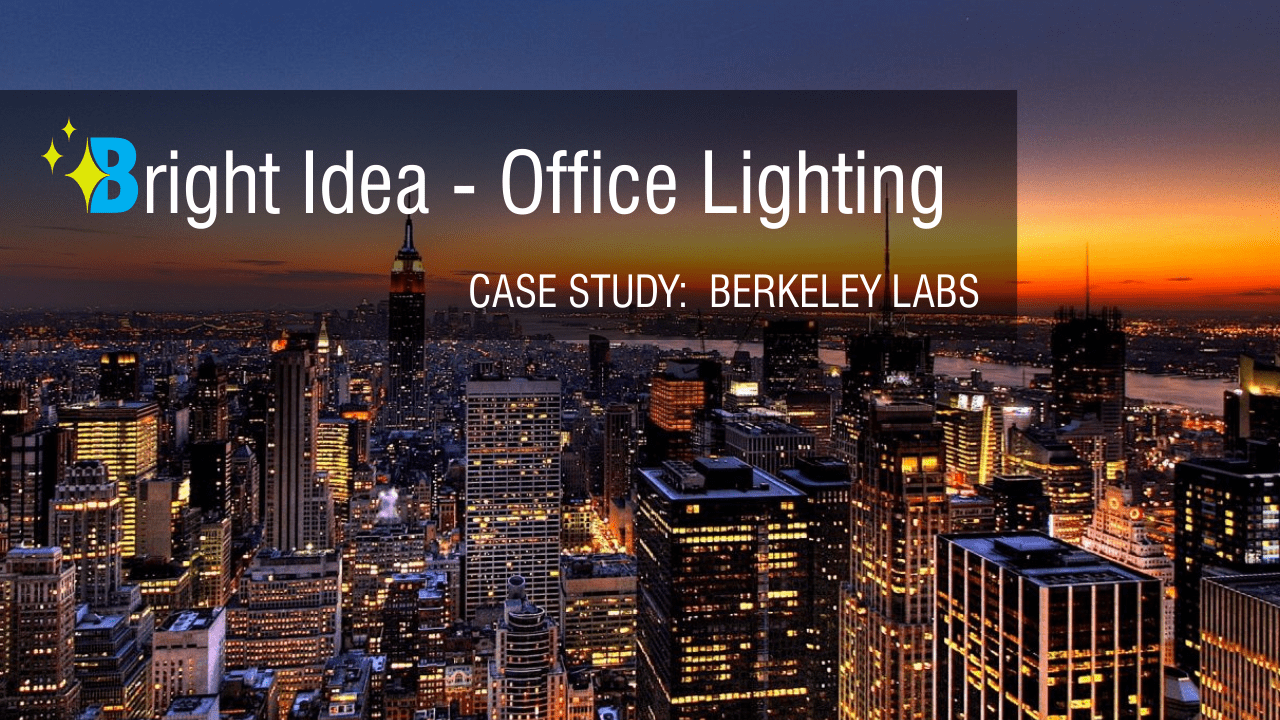
By using advanced lighting and automated shades, scientists from the Department of Energy’s Lawrence Berkeley National Laboratory (Berkeley Lab) found that occupants on one floor of a high-rise office building in New York City were able to reduce lighting energy usage by nearly 80 percent in some areas.

The dramatic results emerged at a “living laboratory” set up to test four sets of technologies on one 40,000 square-foot floor of a building.

Read the full report:   http://newscenter.lbl.gov/2017/07/10/shading-and-lighting-retrofits-slash-energy-use-in-new-york-living-lab-office-demonstration/

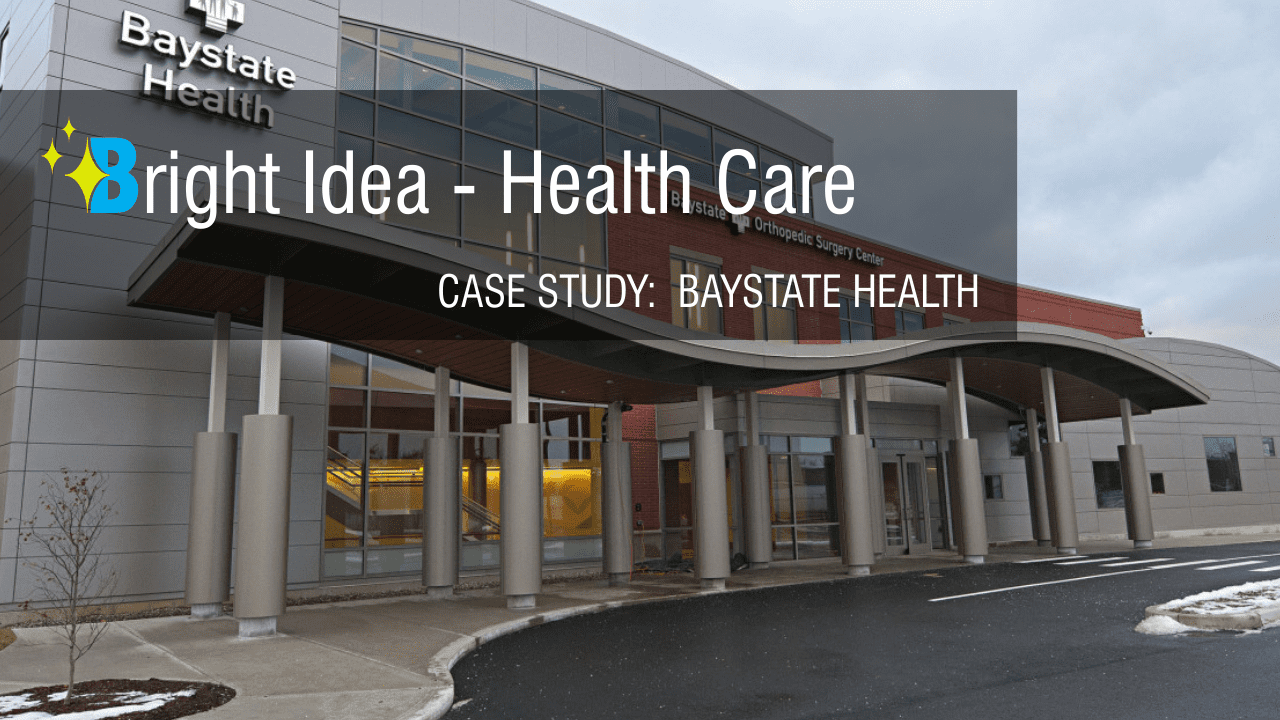
Baystate Health – Bending the Cost Curve

Baystate Health’s (Baystate) ambition is for the health system to become the leader in helping create the most energy efficient, safe and effectively managed buildings in the health care industry.

Baystate performed initial benchmarking and saw numerous opportunities to improve including redoing controls, replacing boilers and pumps, retrocommissioning, lighting upgrades, and mechanical upgrades. For example, in the Operating Rooms (OR), they worked to improve the quality of air and partnered with the OR staff to show them the importance of this initiative. Not only were they able to improve communications between Facilities and Operating Room staff, but reduce the amount of energy spent as well.

Read the full report:   http://www.healthierhospitals.org/sites/default/files/IMCE/baystate_health.pdf


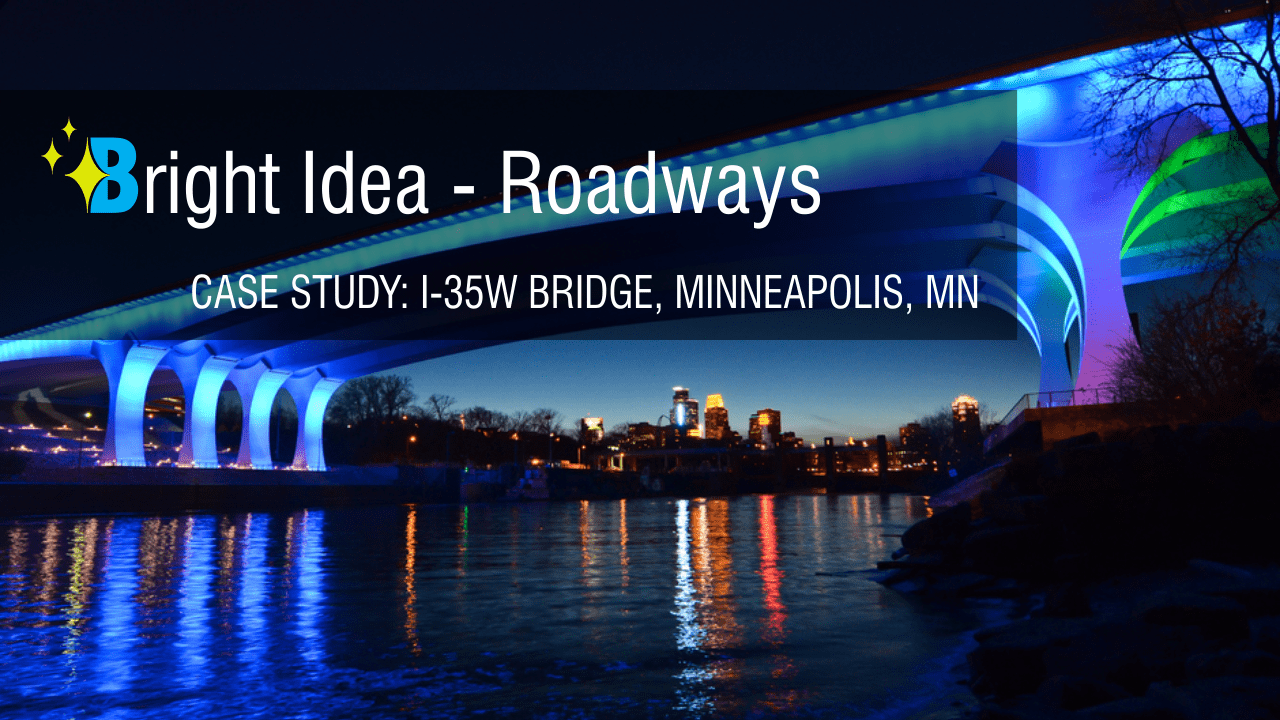
Reconstructed Bridge in Minneapolis Shines Bright with LED Lighting

This report describes the process and results of a demonstration of solid-state lighting (SSL) technology conducted in 2009 at the recently reconstructed I-35W bridge in Minneapolis, MN. The project was supported under the U.S. Department of Energy (DOE) Solid-State Lighting GATEWAY Technology Demonstration Program. Other participants in the demonstration project included the Minnesota Department of Transportation (Mn/DOT), Federal Highways Administration (FHWA), and BetaLED™ (a division of Ruud Lighting). Pacific Northwest National Laboratory (PNNL) conducted the measurements and analysis of the results.

Read the full report:   http://energy.gov/sites/prod/files/2015/08/f25/gateway_i-35w-bridge.pdf