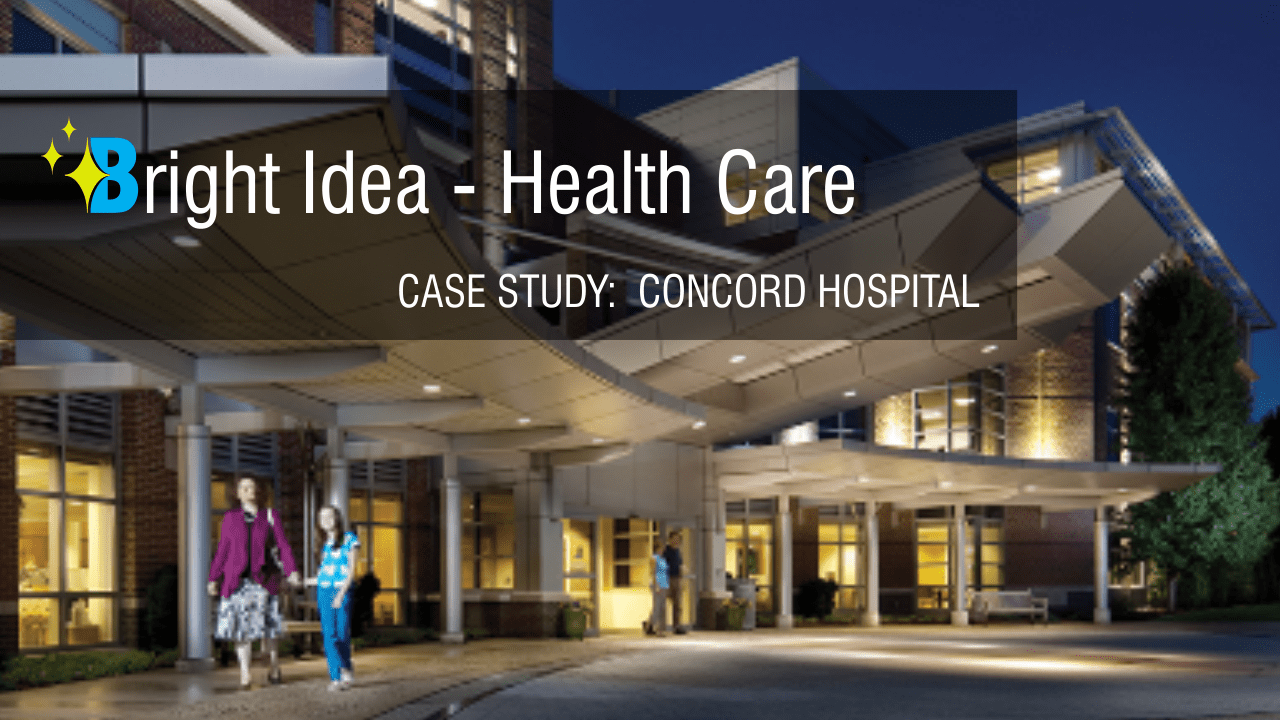
Concord Hospital: Saving Energy While Simultaneously Reducing Costs

Summary

  • Concord Hospital suffered from a lack of steam capacity, aged equipment, inefficient energy and operations, and increased energy costs.
  • Concord realized $678,976 in guaranteed annual energy savings and reduced its energy usage from 284.2 kBtu/ft2/year to 211.8 kBtu/ft2/year.

The Problem

In 2009, Concord Hospital’s current facilities director came on board and realized a lack of steam capacity during an extreme set of cold days. The hospital was consuming all that it had the ability to handle. There was very little room for error. Concord’s equipment had aged, the hospital had outgrown its plan capacity, its energy and operations use were inefficient, and energy prices were increasing. Although Concord Hospital had made several improvements, efficient equipment needed to be addressed and lighting technology had changed.

Read the full report:   http://www.healthierhospitals.org/get-inspired/case-studies/concord-hospital-saving-energy-while-simultaneously-reducing-costs

University of Minnesota Exceeds Expectations, Achieves 90% Energy Savings with LED Parking Garage Lighting Conversion

One of the nation’s largest schools serving over 60,000 students, the University of Minnesota (U of M) is upgrading the lighting at all 18 parking ramps and garages on its Minneapolis campus. In the Northrop Auditorium Garage, a small 24,000 square foot facility with 75 parking spots, U of M replaced low-wattage high-pressure sodium fixtures with high efficiency, lower wattage LED fixtures with lighting controls. This Lighting Energy Efficiency in Parking (LEEP) Campaign Award winning project achieved 90% energy savings by upgrading to LEDs with lighting controls.

Read the full report here.

Howard Hughes Corporation Saves 75% (500,000 kWh) With LED Lighting Upgrade

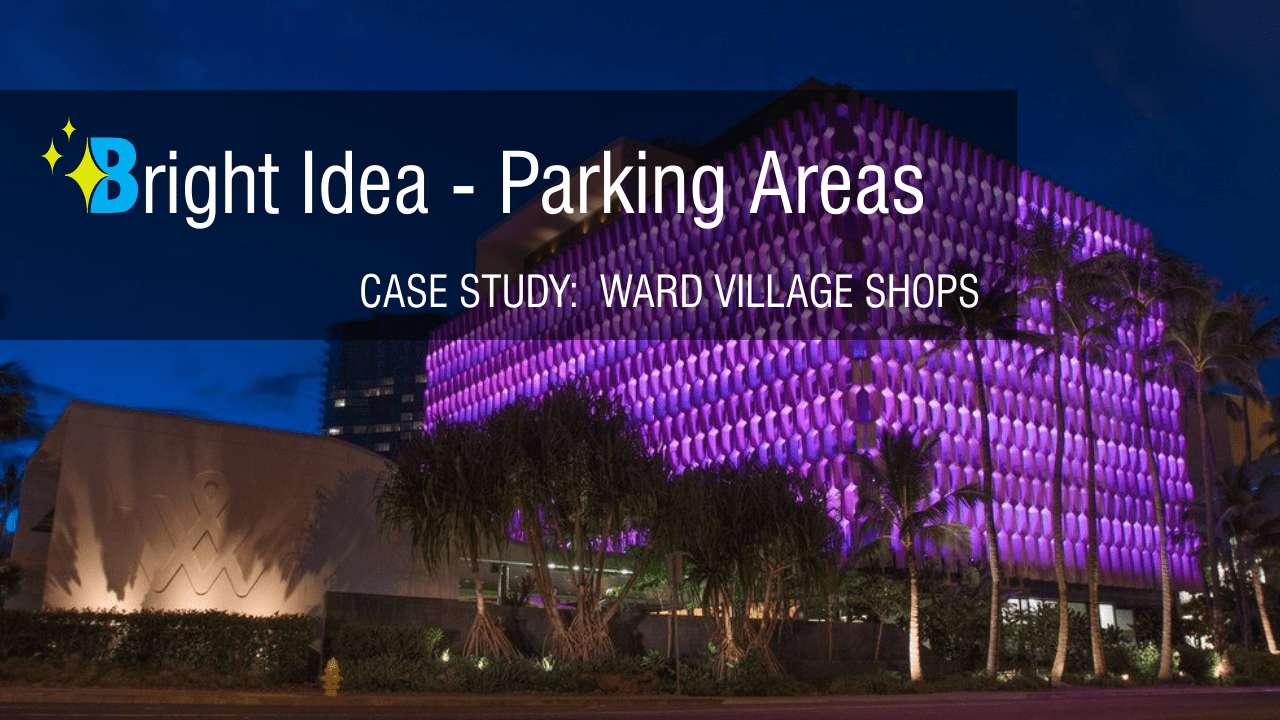
The Howard Hughes Corporation upgraded the lighting for the parking structure at the Ward Centers in Honolulu, Hawaii. Currently, the Ward Centers is occupied by 130 national retailers, local shops and restaurants in five shopping districts. The Ward Centers parking structure is seven stories high, and encompasses nearly 300,000 square feet and houses over 800 parking spaces. The parking structure is a 2014 Lighting Energy Efficiency in Parking (LEEP) Campaign Award winner for Best Use of Lighting Controls in a Single Facility as the new lighting system uses both LED and fluorescent fixtures along with various lighting controls. The Ward Centers was able to achieve 75% in energy savings.

Read the full report here.

School District Benefits From Energy Efficient LED Upgrades in Schools Across the District

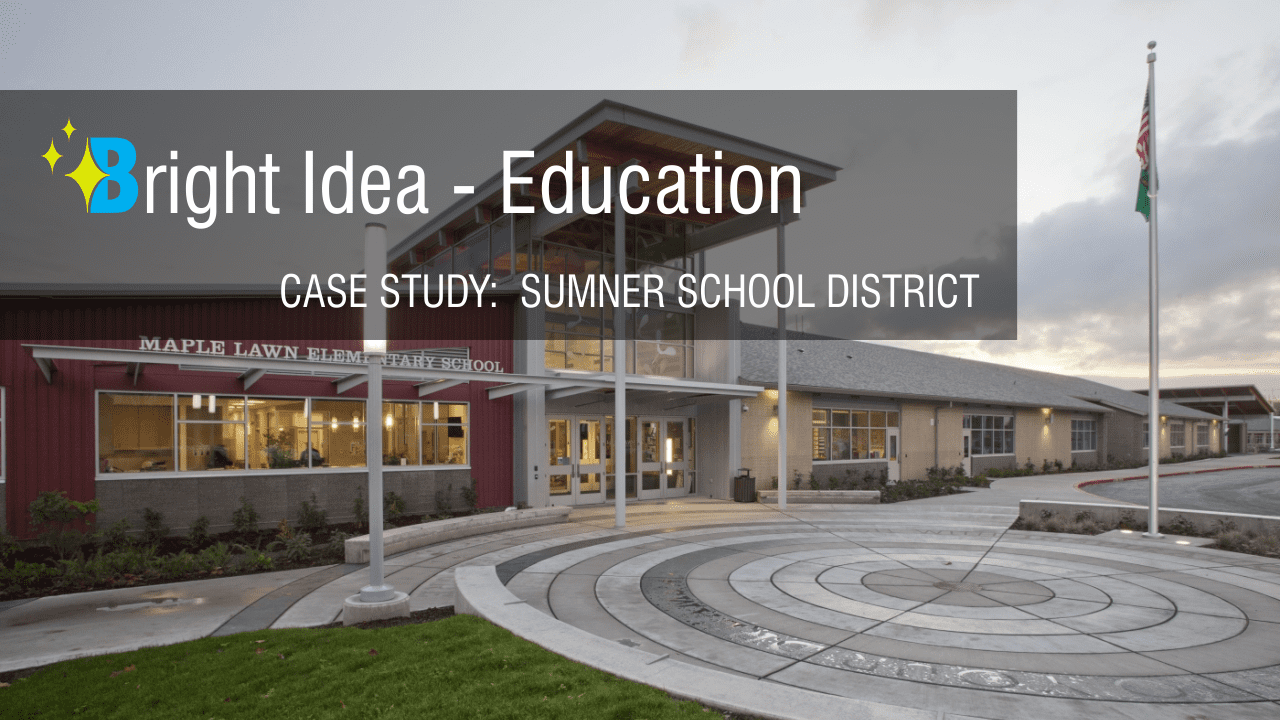
The Sumner School District, located between Tacoma and Mount Rainier, has been upgrading their facilities to be more energy efficient. Since 2009, Jay Donnaway of Sound Environmental Consulting has been employed as a Resource Conservation Manager (RCM) by the district plus a few other public entities. To lower the cost of frequent lamp replacement in the parking lot lighting, and also to save energy, Donnaway chose LED lighting to replace the existing metal halide (MH) lighting.

Read the full report:   http://www.bpa.gov/EE/Sectors/Commercial/Documents/sumnerschooldist_short_casestudy.pdf


Restoring Detroit’s Street Lighting System


The City of Detroit is undertaking a comprehensive restoration of its street lighting system that includes transitioning the existing high-pressure sodium (HPS) sources to light-emitting diode (LED). Detroit’s well-publicized financial difficulties over the last several years have added many hurdles and constraints to this process. Strategies to overcome these issues have largely been successful, but have also brought a few mixed results. This document provides an objective review of the circumstances surrounding the system restoration, the processes undertaken and decisions made, and the results so far.

While the lighting transition in Detroit is still ongoing, the new system has already vastly improved on the failed system that preceded it. According to publicized estimates at the time, only about half of the roughly 88,000 total installed units in the old system were in reliable operating condition. Such conditions make it difficult to establish a baseline for comparisons; for example, an overall (but factually inaccurate) assumption that all 88,000 lights were in operating order was necessary to produce postrestoration energy and cost savings estimates in this analysis. Allowing for this and other simplifying assumptions, Table ES.1 summarizes a few of the estimated benefits that can be expected from the street lighting transition once completed in 2016.

Read the full study here:   http://energy.gov/sites/prod/files/2015/09/f27/2015_restoring-detroit.pdf

Big Boy Converts to LED Lighting as Part of an Overall Efficiency Upgrade

Home of the Original Double Decker – a famous Big Boy restaurant required some energy efficiency upgrades. Property owners, Joe Diequez and Jonathan Marsh, were looking for an innovative way to finance building improvements and replace inefficient cooking equipment. Like many small business owners, they were looking for a long-term financing solution that would ensure that building improvements pay for themselves in 10 years.

Project goals included:

  • Improve overall building performance and comfort
  • Upgrade kitchen equipment
  • Reduce utility bills
  • Reduce operating costs
  • Improve the environment

Read the full report here.