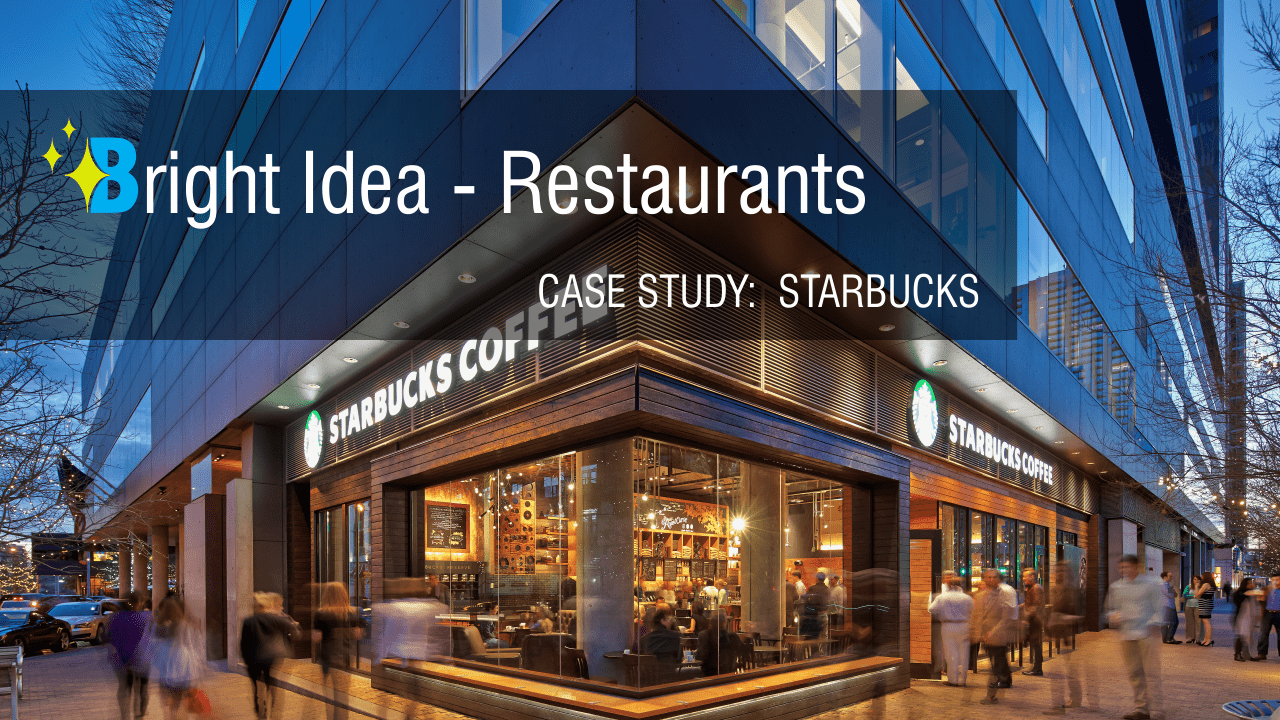
Starbucks Leads the Way with Company Wide Energy Efficiency Retrofits and Investments in LED

Starbucks has been actively pursuing energy efficiency and conservation for years. A visit to their Energy Conservation website at http://www.starbucks.com/ responsibility/environment/energy describes Starbucks’ commitment to conserving energy and activities they have undertaken to reduce energy use in their stores.

Excellent lighting is important in retail sales; while operating cost reduction is always welcome, it is not always the primary driver in selecting lamps. As early adopters of more efficient lighting. Starbucks has occasionally experienced less than stellar performance of early versions of these products, and have continuously upgraded products as technology improves. . Overall, the energy-savings benefits of lighting upgrades have been significant, encouraging Starbucks to commit to these efficient lighting sources and continue adopting new products.

Read the full report:   https://www.bpa.gov/EE/Utility/marketing/casestudies/starbucks_casestudy.pdf
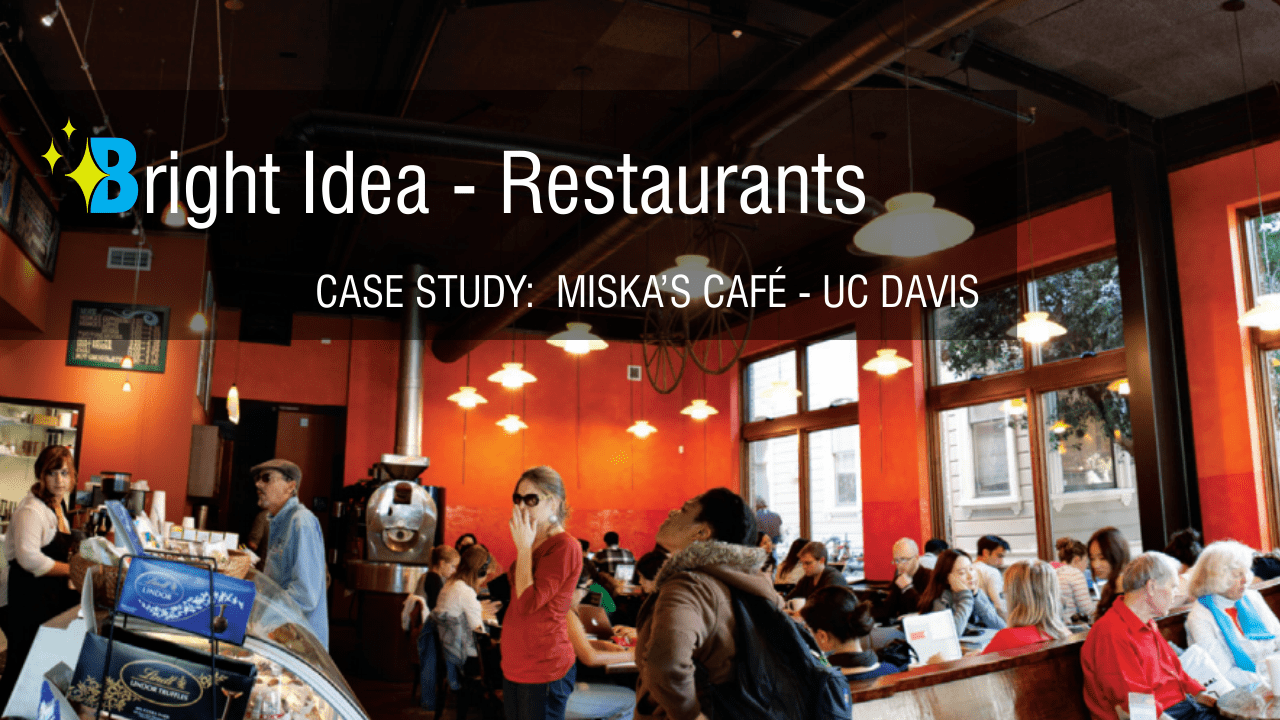
LED Lighting Helps Mishka’s Café Save Energy

Sinisa Novakovic, owner of Mishka’s café in downtown Davis, had two goals for the recent lighting upgrade in his café: create a cozy, inviting atmosphere for customers and save energy. In the main seating area alone he was able to cut his lighting energy use 85% by upgrading to LED lighting.

Throughout the rest of the café, energy consumption for lighting has been cut in half, reducing Mishka’s annual energy use by over 10,000 kWh and saving Novakovic nearly $2,000 every year in energy costs. The lighting upgrade will have paid for itself after just eight months, and because LEDs last up to fifty times longer than older light sources, the change is saving Novakovic in other ways, too.

Read the full report:   http://cltc.ucdavis.edu/sites/default/files/files/publication/case-study-mishkas-cafe-davis.pdf

LED Lighting Helps Connecticut Landmark Achieve Positive Impact

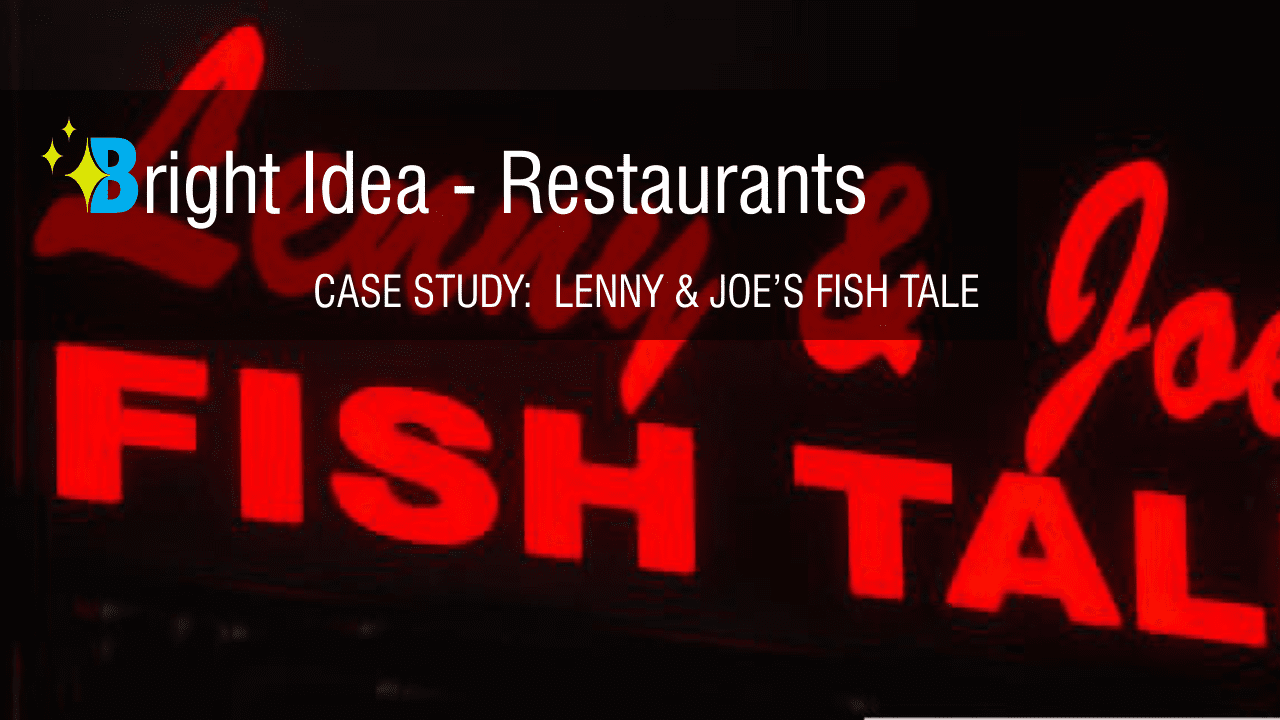
From a 1979 “roadside clam stand” to a now iconic shoreline tradition, Lenny & Joe’s Fish Tale is a Connecticut favorite. Growing to three locations, the restaurant has remained committed to serving the finest seafood available in a friendly and efficient manner. Maintaining efficient operations and equipment with support from Energize Connecticut’s Small Business Energy Advantage program has helped Lenny and Joe’s focus on the fresh seafood and enjoyable customer experience..

Read the full report:   http://www.energizect.com/sites/default/files/Final%20C0025%20Lenny%20%26%20Joes%20Case%20Study%20%20WEB.1.20.15.pdf

LEED-Certified Tacoma Police Department Warehouse Saves with LED Upgrades

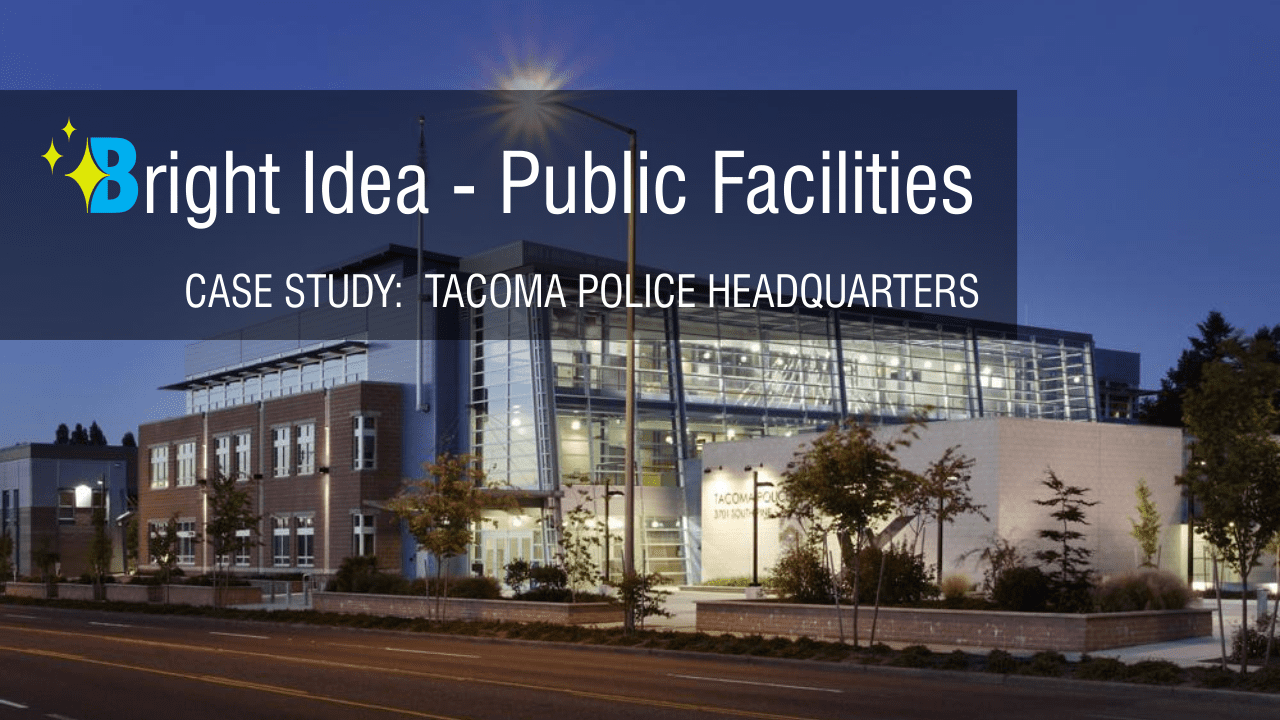
The City of Tacoma launched its Climate Action Plan in 2008, with goals and strategies to reduce its carbon footprint. The Tacoma Police Department’s fleet warehouse is LEED-certified and the Headquarters building is LEED-certified silver. This emphasis on sustainability helped Christopher Bostain, Lead Facilities Maintenance Mechanic at the Police Department, convince management to undertake an LED lighting retrofit project despite high initial costs. Tacoma Public Utility’s lighting incentive program made the installations of LED parking lot lights, LED wall mounted lights and LED floodlights more affordable. The whole project took 1.5 years and was completed in the summer of 2011. Specifically for the parking lot lights, the projected annual maintenance cost savings of $3,000 – $4,000 per year was a key factor in the project’s approval. Tacoma Public Utilities originally calculated a 17 year payback period for the parking lot lights factoring in electrical savings only. When annual maintenance savings and utility incentives were included, Bostain calculated the payback period at 7 years. Payback periods are much shorter today

Read the full report:   https://www.bpa.gov/EE/Utility/marketing/casestudies/TacomaPolice_casestudy.pdf

LED Provides Effective and Efficient Parking Area Lighting at the NAVFAC Engineering Service Center

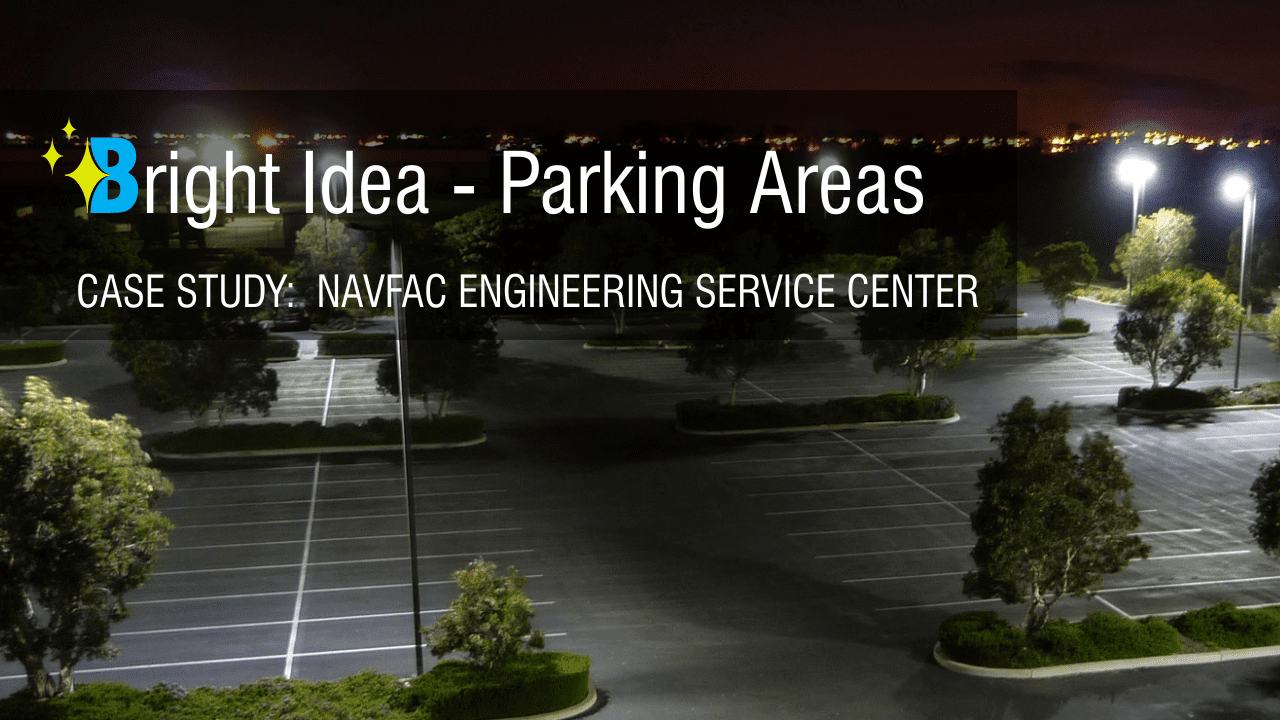
Investigating ways to reduce energy consumption and costs, the Navy’s Technology Validation (Techval) Program with support from the Department of Energy, Federal Energy Management Program, sought to demonstrate the new LED technology for parking areas. The Naval Facilities Engineering Command Engineering Service Center (NAVFAC ESC) Headquarters was selected as their first LED demonstration.

Read the full report:   http://energy.gov/sites/prod/files/2014/01/f7/led_parking_lights_navfac.pdf

Marine Corps Base Quantico Achieves 85% Savings in Parking Lighting

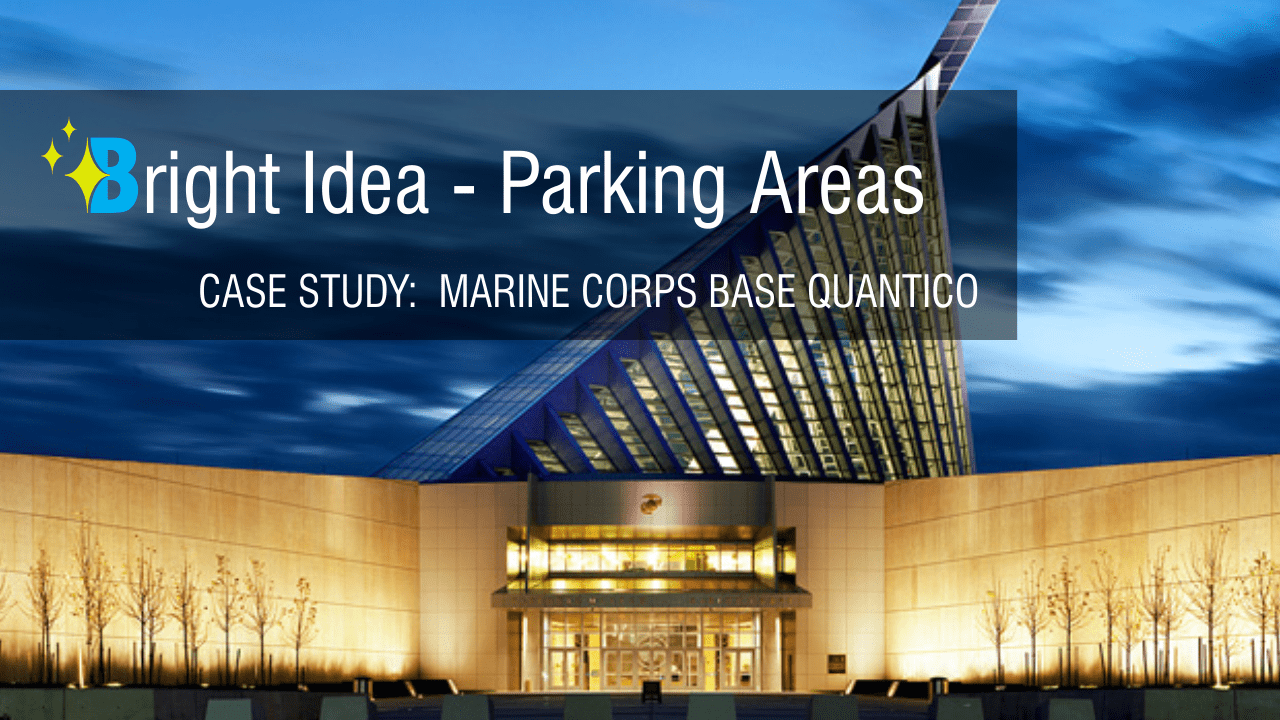
With technical assistance from the Federal Energy Management Program (FEMP), the Marine Corps Base Quantico (MCBQ) recently undertook a major overhaul of its outdoor lighting, boosting safety and security throughout the site, while cutting energy costs and earning a national award in the process. The MCBQ replaced nearly 2,000 old and inefficient street lights, parking lot lights, and exterior area lights across the 1,000-acre site, which includes about 100 parking lots.

Read the full report:   http://energy.gov/sites/prod/files/2014/12/f19/mcb_quantico_2014.pdf

KCMO Demonstration Project Measures Results of Upgrading HID Lights to LED

This report documents a study of nine different light-emitting diode (LED) street lighting products installed in February 2011 as replacements for incumbent high-pressure sodium (HPS) luminaires in the city of Kansas City, Missouri (KCMO). The subject lighting investigation was undertaken by the city as part of a continued focus on improving street safety that had begun with an earlier extensive upgrade to the streetlighting system in the late 1990s, which substantially improved both the quantity and uniformity of its lighting. The current study was conducted in support of the U.S. Department of Energy’s Municipal Solid-State Street Lighting Consortium, via support of the GATEWAY Solid-State Lighting Technology Demonstration Program, and involved multiple staff from different organizations employing a variety of meters and procedures

Read the full report:   http://apps1.eere.energy.gov/buildings/publications/pdfs/ssl/2013_gateway-msslc_kc.pdf

Study Shows the Viability of LED to Replace Low-Bay Metal Halide Lighting

The LED Low-Bay Garage Lighting Demonstration project studied the applicability of low-bay LED fixtures in a parking-garage installation. Low-bay metal halide (MH) fixtures were replaced with new low-bay LED fixtures in a parking garage located in South San Francisco. Light quality and intensity, and electrical power measurements were taken. Economic costs were then estimated, and qualitative satisfaction was determined from interviews with the property managers. The average illuminance level was slightly increased after the installation of the LED fixtures. The maximum uniformity ratio (a ratio of the brightest spot to the dimmest) decreased, suggesting a more uniform light spread. However, the average illuminance near the darkest wall decreased which the property managers identified as a potential concern.

Read the full report:   http://www.etcc-ca.com/sites/default/files/OLD/images/stories/pdf/ETCC_Report_435.pdf

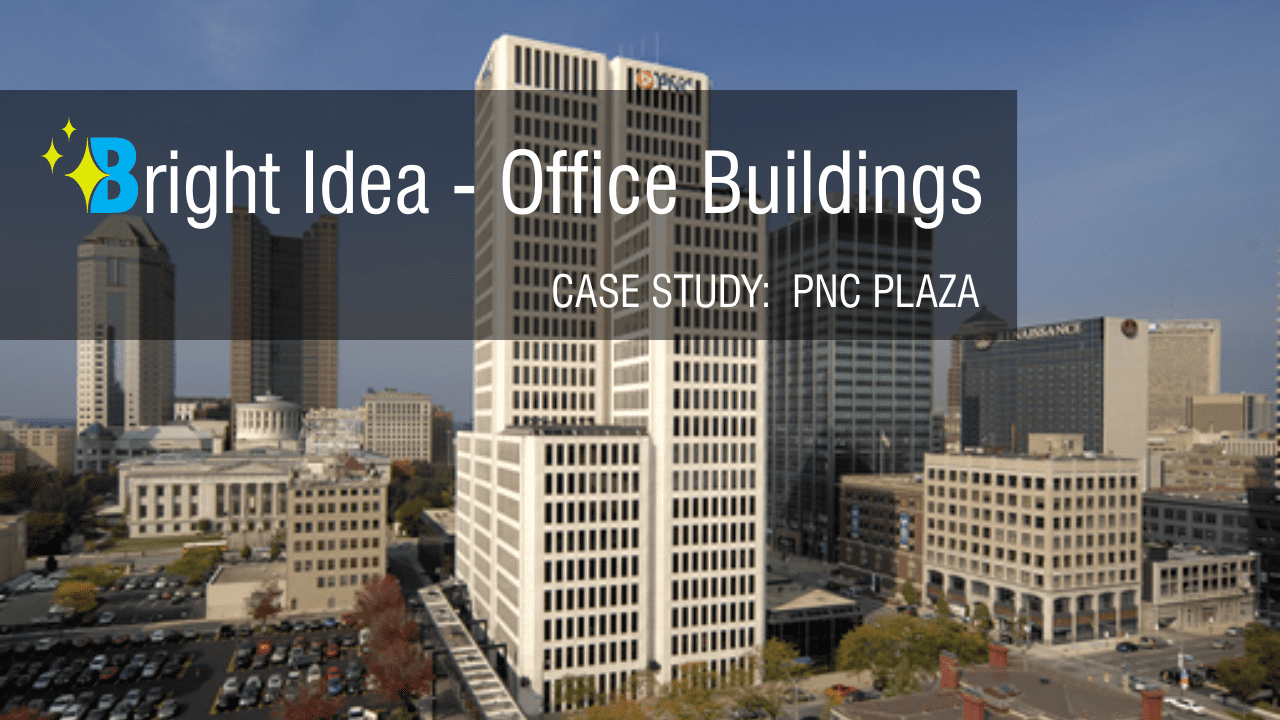
PNC Plaza Scores Triple Win With LED Lighting Conversion

Soon after PNC Plaza Property Manager Rick Aronhalt took over as manager of the 358,000 sq. /ft., 23 story office building, he recognized an opportunity for improvement. He knew the value and benefits efficient lighting could bring to the management company, the tenants, and the environment while increasing overall property value. The CFLs currently installed reduced energy cost over incandescent bulbs; however LED lighting could provide an even greater benefit to the company.

“The conversion from T-8 fluorescent bulbs to LED bulbs has allowed us to cut our electric consumption for lighting by nearly 60% without any out of pocket money from the owner. As a result the owner received a nearly $60,000 rebate from AEP. The project is a win, win, win for the owner, tenants and the environment.”

Read the full report:  https://aepohio.com/global/utilities/lib/docs/save/business/programs/SuccessStories/2015_Arthur_Goldner_and_Assoc_final.pdf

LED Downlights Save Up To 50% Over CFL Without Sacrificing Aesthetic Appearance or Functionality

As part of a U.S. Department of Energy (DOE) demonstration project, researchers at Pacific Northwest National Laboratory (PNNL) evaluated the implementation of light-emitting diode (LED) recessed downlight luminaires in the guest rooms at the Hilton Columbus Downtown hotel in Columbus, OH. The facility opened in October of 2012, and the demonstration project included a post-occupancy assessment in January–March of 2014. Each of the 484 guest rooms and 48 suites uses at least seven 15 W LED downlights, for a total of more than 3,700 LED downlights. The LED downlights provided 50% energy savings relative to a comparable CFL downlight, and they enabled the lighting power to be more than 20% below that allowed by code.

Read the full report here.