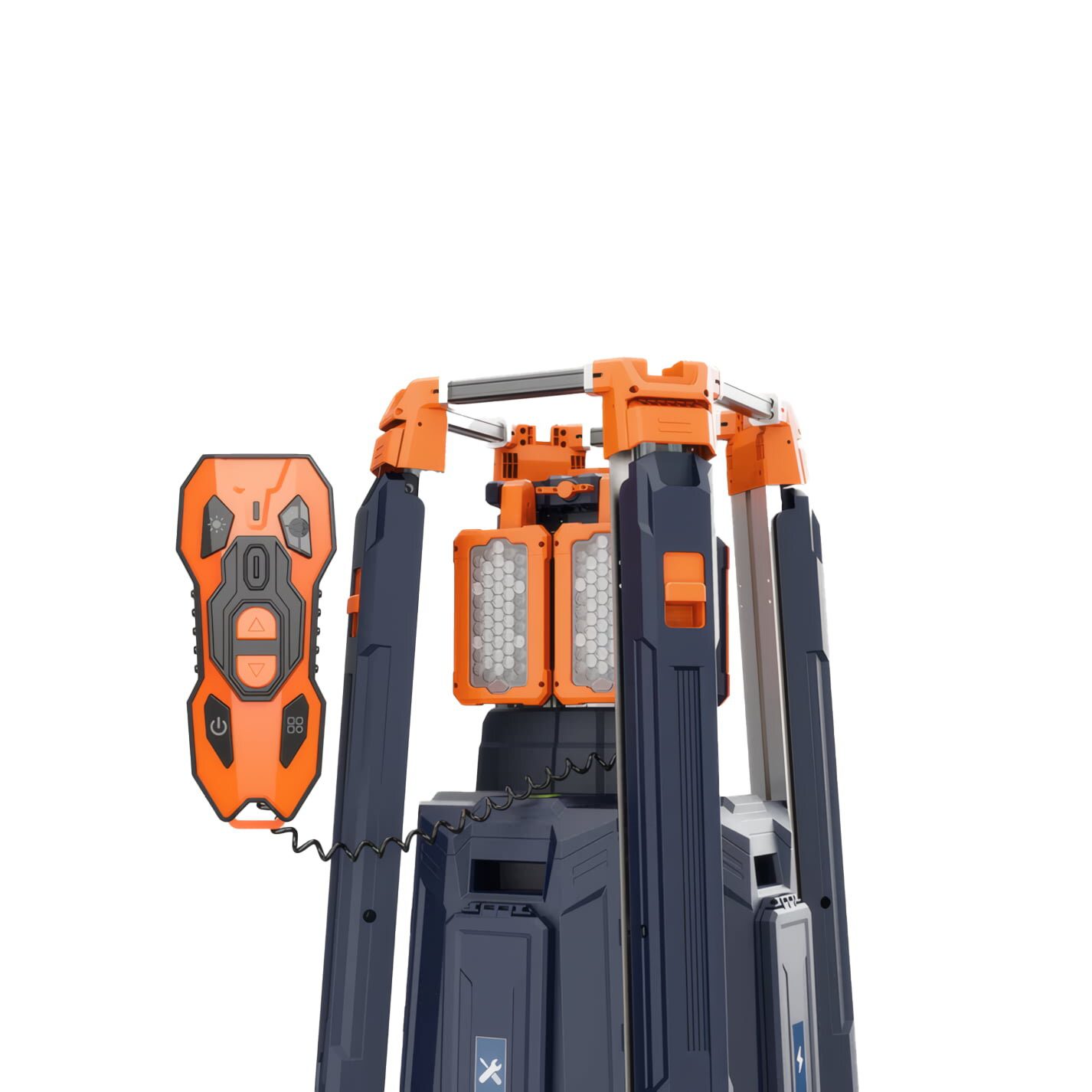
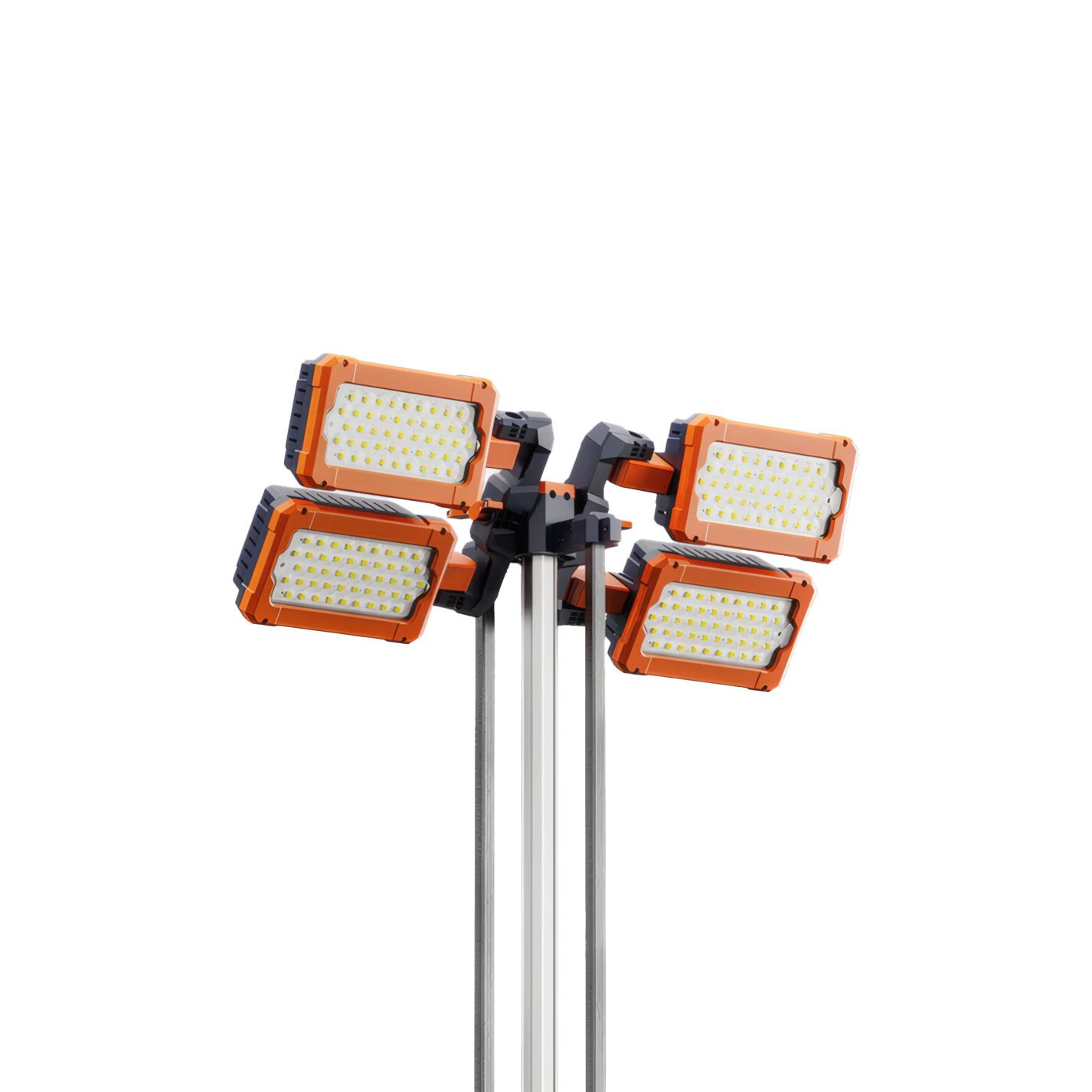
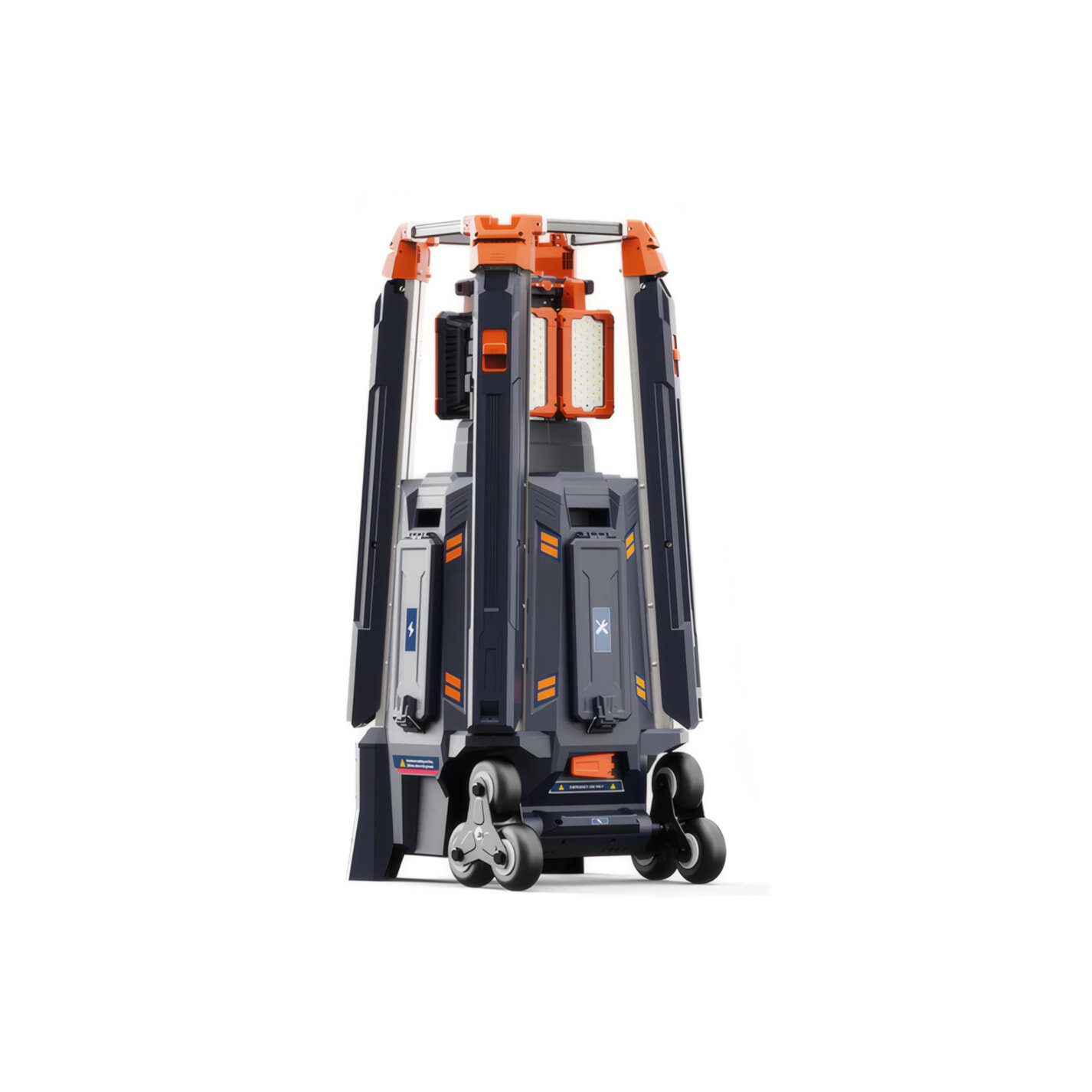
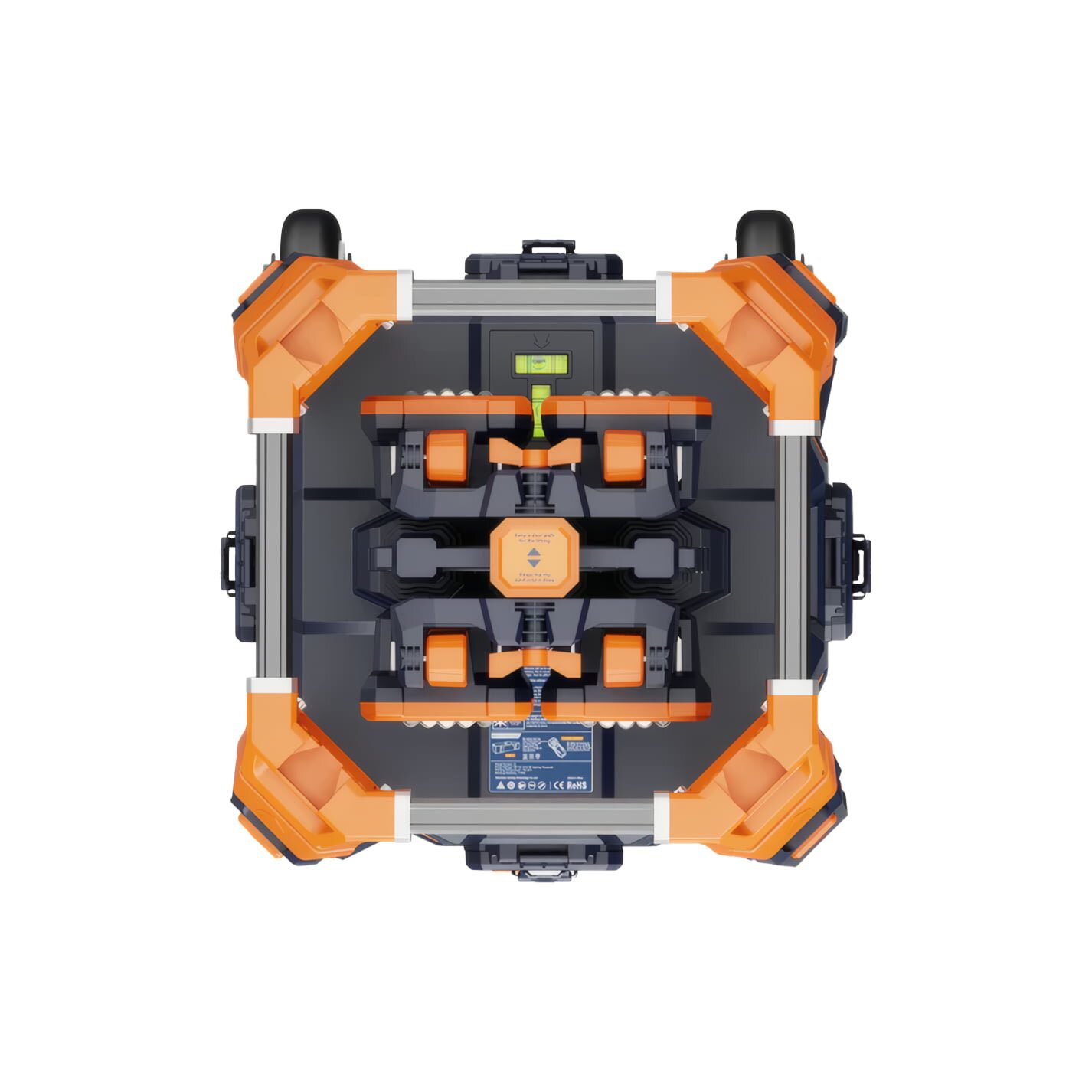
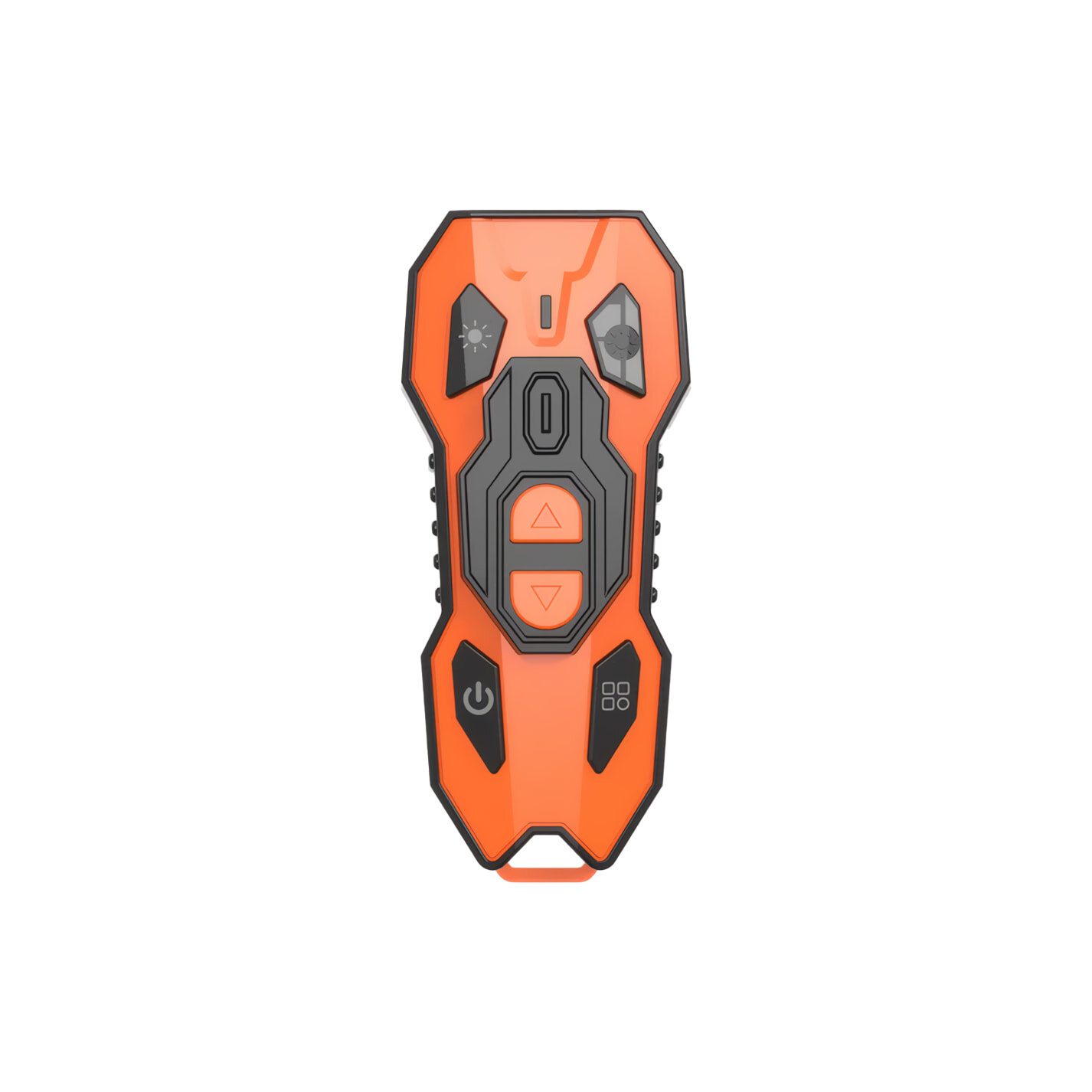
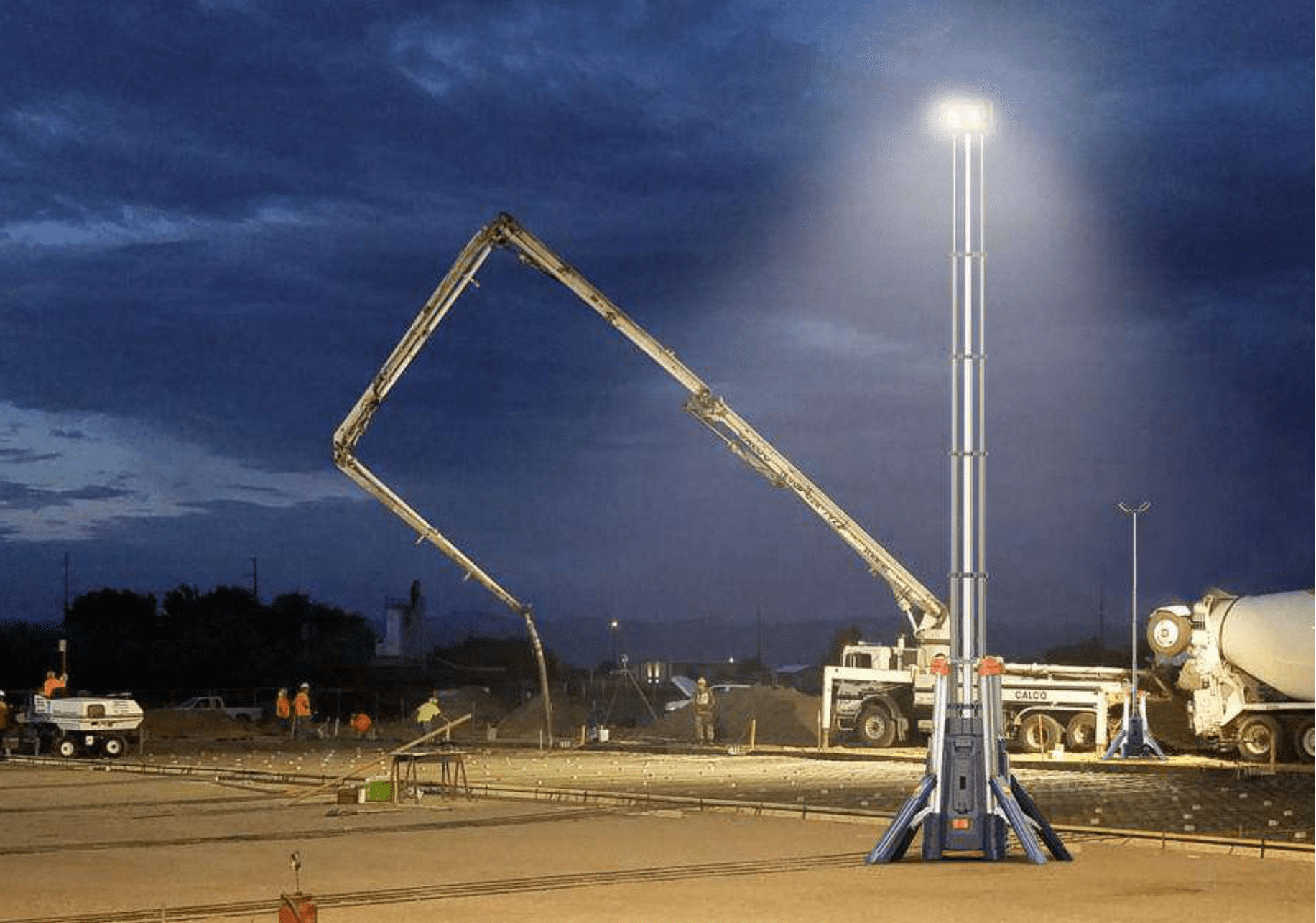

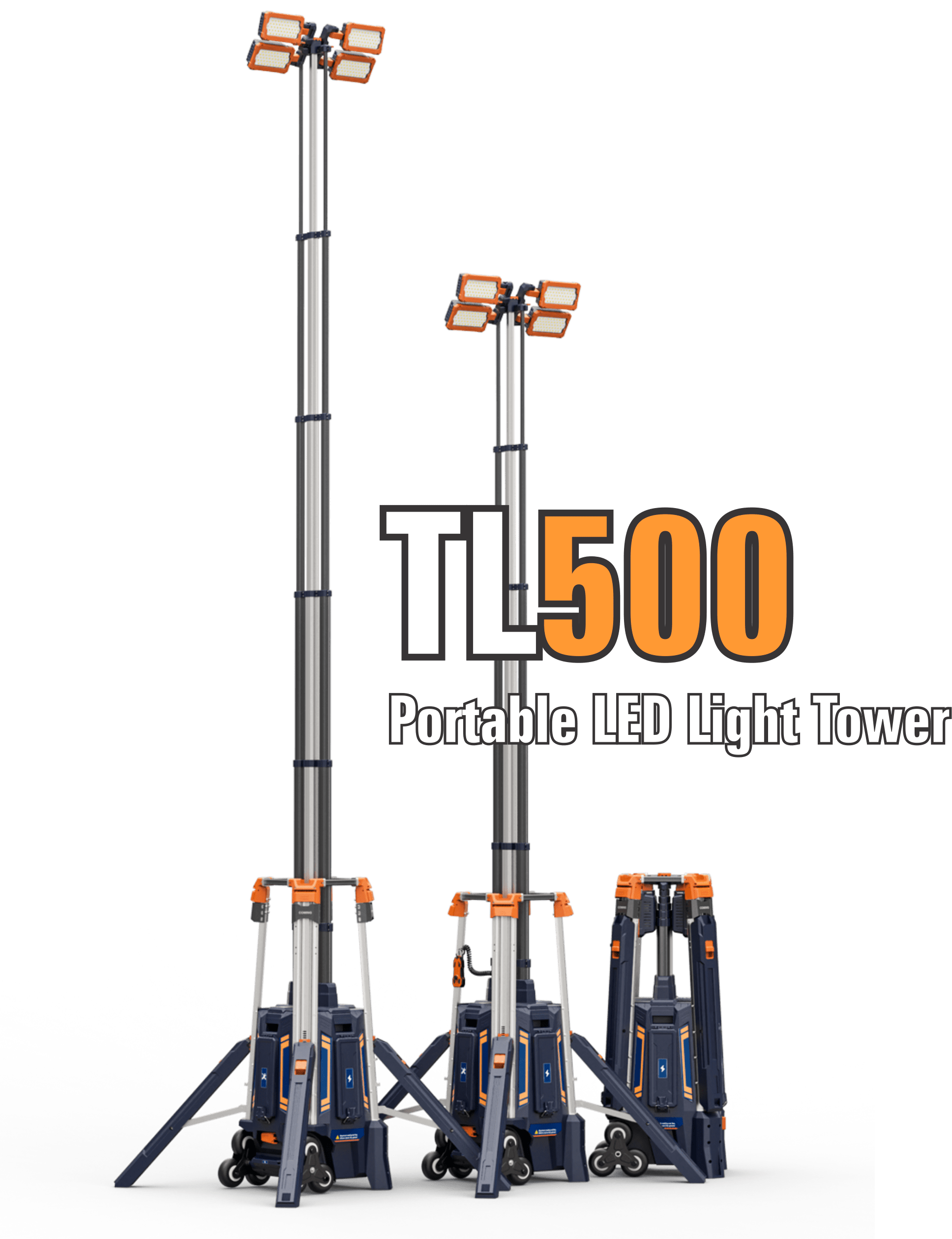
Description
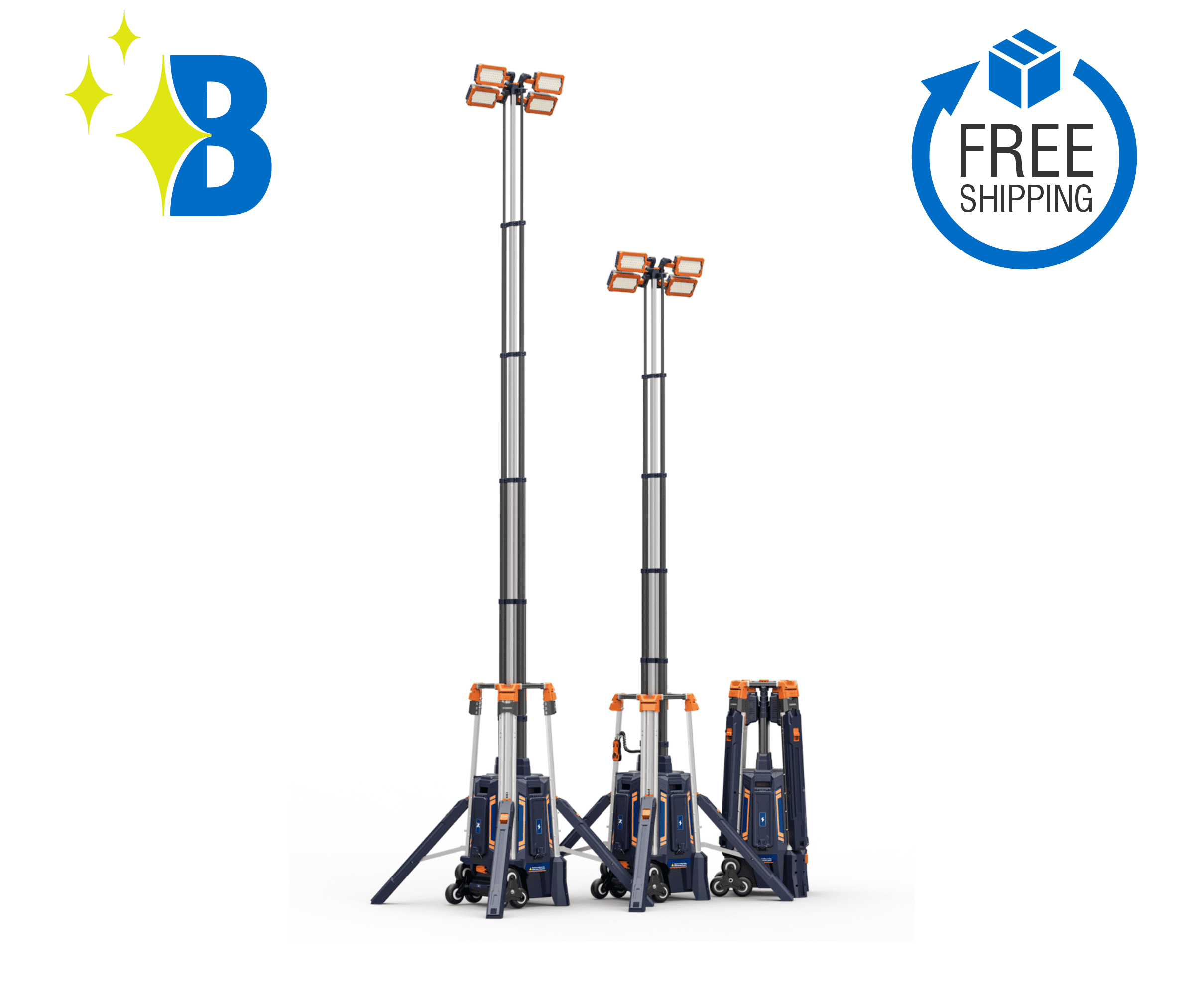
- Rapid deployment
- 0dB quiet operation
- Zero diesel cost
- Triple wheel + self-locking leg adapts to all terrain
- Tilting and rotatable LED light heads
- Built in USB charging ports
- Ultra long life – 20 hours standard
- Lightweight for easy transportation
- Single person operation
- Up to 65,000lm AC, 35,000lm battery
Download Product Cut Sheet

Knowledge Base
What Is a Portable Battery Powered LED Light Tower?
A portable battery powered LED light tower is a mobile lighting system that uses rechargeable battery energy storage and high-efficiency LED fixtures to provide temporary illumination without the need for diesel generators or hardwired electrical power.
These systems are commonly used for:
- Construction sites
- Roadwork and traffic control
- Emergency response
- Events and festivals
- Security lighting
- Sports and recreation
- Utility maintenance
- Remote job sites
- Military and disaster relief operations
- Mining and industrial applications
Battery powered LED light towers are designed to provide quiet, emission-free, low-maintenance lighting with rapid deployment capabilities.
Benefits of Battery Powered LED Light Towers
Zero Emissions Operation
Unlike diesel-powered light towers, battery powered LED towers operate without fuel combustion. This eliminates carbon monoxide, diesel exhaust, and greenhouse gas emissions.
Benefits include:
- Cleaner air quality
- Compliance with environmental regulations
- Reduced carbon footprint
- Safe indoor or enclosed-space operation
- Sustainability reporting advantages
Quiet Operation
Battery powered systems operate almost silently compared to diesel generators.
Advantages include:
- Reduced noise pollution
- Improved worker communication
- Better residential compliance
- Ideal for events and nighttime applications
- Reduced operator fatigue
Lower Operating Costs
Battery powered LED towers eliminate fuel expenses and significantly reduce maintenance requirements.
Common cost savings include:
- No diesel fuel purchases
- Reduced engine maintenance
- Fewer oil changes
- Reduced service intervals
- Lower transportation costs
- Reduced downtime
Rapid Deployment
Portable LED light towers can typically be deployed within minutes.
Features may include:
- Telescoping mast systems
- Push-button operation
- Hydraulic or electric mast lifting
- Foldable compact designs
- Towable trailer configurations
Improved Safety
LED lighting provides high visibility while battery systems reduce many hazards associated with fuel-powered equipment.
Safety advantages include:
- No hot engine components
- Reduced fire risk
- Better color rendering
- Instant-on illumination
- Reduced trip hazards
- Improved nighttime visibility
How Battery Powered LED Light Towers Work
Battery Energy Storage
The system stores electrical energy in rechargeable batteries.
Common battery chemistries include:
Lithium-Ion Batteries
Advantages:
- High energy density
- Long cycle life
- Fast charging
- Lightweight design
- Low maintenance
Lithium Iron Phosphate (LiFePO4)
Advantages:
- Improved thermal stability
- Long lifespan
- Enhanced safety
- Deep discharge capability
- Reliable performance in harsh environments
AGM or Gel Batteries
Advantages:
- Lower initial cost
- Proven reliability
- Maintenance-free options
Disadvantages:
- Heavier weight
- Shorter runtime
- Lower energy density
LED Lighting Technology
LED fixtures convert electrical energy into high-efficiency illumination.
Key LED characteristics include:
- Low power consumption
- Long operational life
- High lumen output
- Reduced heat generation
- Instant startup
- Directional light control
Charging Systems
Battery powered light towers may include multiple charging options.
AC Shore Power Charging
Connects to standard utility power.
AC Fast Charging
Modern battery powered LED light towers often support rapid recharge capability using standard utility power or high-output charging systems.
Intelligent Charging Systems
Many battery powered light towers include onboard battery management systems that optimize charging performance, protect battery life, and monitor runtime status.
Vehicle Charging
Some mobile systems recharge through vehicle alternators or DC charging systems.
Common Applications for Portable LED Light Towers
Construction Lighting
Portable battery powered LED light towers are widely used for:
- Nighttime construction
- Highway repair projects
- Utility trenching
- Concrete pours
- Commercial construction
- Remote job sites
Benefits for construction companies include:
- OSHA compliance support
- Reduced fuel logistics
- Easier transport
- Faster setup
- Lower operating expenses
Emergency Response Lighting
Emergency responders use portable LED towers for:
- Disaster recovery
- Search and rescue
- Temporary command centers
- Traffic incident management
- Fire scene illumination
- Medical triage areas
Event Lighting
Battery powered towers are ideal for:
- Outdoor concerts
- Festivals
- Sporting events
- Weddings
- Parking lot illumination
- Crowd safety lighting
Security and Surveillance
Applications include:
- Perimeter security
- Temporary surveillance
- Parking lots
- Construction site security
- Critical infrastructure protection
Sports and Recreation
Portable LED towers can illuminate:
- Athletic fields
- Practice areas
- Outdoor recreation spaces
- Temporary sporting events
- Campsites
Key Specifications to Consider
Lumen Output
Lumens measure total light output.
Typical portable LED light tower ranges include:
- 20,000 lumens
- 40,000 lumens
- 60,000 lumens
- 100,000+ lumens
Higher lumen output is generally required for:
- Large job sites
- Highway construction
- Stadium applications
- Industrial projects
Runtime
Runtime refers to how long the tower can operate on a single charge.
Typical runtime ranges:
- 4 to 8 hours
- 8 to 12 hours
- 12 to 24 hours
- Multi-day runtime systems
Runtime depends on:
- Battery capacity
- LED wattage
- Dimming levels
- Environmental conditions
- Battery age
Battery Capacity
Battery storage is commonly measured in:
- Amp-hours (Ah)
- Watt-hours (Wh)
- Kilowatt-hours (kWh)
Larger battery capacity generally provides longer runtime.
Mast Height
Common mast heights include:
- 10 feet
- 15 feet
- 20 feet
- 25 feet
- 30 feet
Higher mast heights improve:
- Light coverage
- Uniformity
- Reduced glare
- Site visibility
IP Rating
Ingress Protection (IP) ratings measure resistance to dust and water.
Common ratings include:
- IP65
- IP66
- IP67
Higher ratings indicate greater environmental protection.
Color Temperature
Color temperature is measured in Kelvin (K).
Typical ranges:
- 3000K warm white
- 4000K neutral white
- 5000K daylight
- 5700K cool white
Construction and industrial applications commonly use 5000K daylight lighting.
CRI (Color Rendering Index)
CRI measures how accurately colors appear under lighting.
Higher CRI values improve:
- Safety visibility
- Equipment identification
- Worker comfort
- Camera surveillance quality
Comparing Battery Powered vs Diesel Light Towers
Battery Powered Light Towers
Advantages:
- Zero emissions
- Silent operation
- Lower maintenance
- Reduced fuel costs
- Cleaner operation
- Easier permitting
Disadvantages:
- Limited runtime depending on battery size
- Higher upfront cost
- Charging infrastructure may be required
Diesel Light Towers
Advantages:
- Long runtime with refueling
- Established technology
- Widely available
Disadvantages:
- Noise pollution
- Exhaust emissions
- High fuel costs
- Increased maintenance
- Environmental restrictions
Portable LED Light Tower Maintenance
Battery Maintenance
Recommended maintenance practices:
- Monitor charge cycles
- Avoid deep discharge when possible
- Store batteries properly
- Inspect terminals regularly
- Follow manufacturer charging guidelines
LED Fixture Maintenance
- Clean lenses regularly
- Inspect seals and gaskets
- Check mounting hardware
- Verify beam alignment
Mast and Mobility System Maintenance
- Lubricate moving components
- Inspect winches and hydraulics
- Inspect wheel assemblies and transport components
- Inspect wiring and connectors
Choosing the Right Portable LED Light Tower
Determine Required Light Coverage
Factors include:
- Job site size
- Required foot-candle levels
- Mounting height
- Light distribution pattern
- Application type
Evaluate Runtime Requirements
Consider:
- Shift duration
- Charging access
- Backup power options
- Weather conditions
Assess Mobility Needs
Portable systems may include:
- Hand-carry units
- Cart-mounted systems
- Compact mobile tower systems
- Skid-mounted systems
Consider Environmental Conditions
Evaluate:
- Wind ratings
- Temperature range
- Waterproof ratings
- Dust resistance
- Corrosion protection
Frequently Asked Questions About Battery Powered LED Light Towers
How long do battery powered LED light towers run?
Runtime varies based on battery capacity and lighting load. Many systems operate from 8 to 24 hours on a single charge.
Are battery powered light towers waterproof?
Most professional-grade units are designed for outdoor operation and include weather-resistant IP-rated components.
Can portable LED towers be used indoors?
Yes. Battery powered LED light towers are ideal for indoor use because they produce no exhaust emissions.
How bright are LED light towers?
Portable LED towers range from compact 20,000-lumen systems to industrial units exceeding 100,000 lumens.
What industries use portable light towers?
Industries include:
- Construction
- Utilities
- Emergency services
- Oil and gas
- Mining
- Events
- Municipal operations
- Sports and recreation
Are LED light towers energy efficient?
Yes. LED technology consumes significantly less energy than traditional metal halide lighting.
What is the lifespan of LED fixtures?
Many commercial LED fixtures are rated for 50,000 to 100,000 operating hours.
Do battery powered towers require generators?
No. Battery powered systems operate independently from diesel generators, though some hybrid models may include backup charging systems.